

Major Policy Shift: Aadhaar No Longer Valid as Birth Proof
In a significant policy change, both Uttar Pradesh and Maharashtra state governments have officially declared that Aadhaar cards will no longer be accepted as the sole document for proving date of birth or as a substitute for birth certificates. This decision marks a substantial shift in document verification procedures across both states.
Uttar Pradesh Implements Strict New Guidelines
The Uttar Pradesh Planning Department has issued comprehensive instructions to all government departments clarifying that Aadhaar cards cannot be considered valid birth certificates. The notification, issued by Special Secretary Amit Singh Bansal, explicitly states that since no birth certificate is physically attached to the Aadhaar card, it cannot serve as proof of birth documentation.
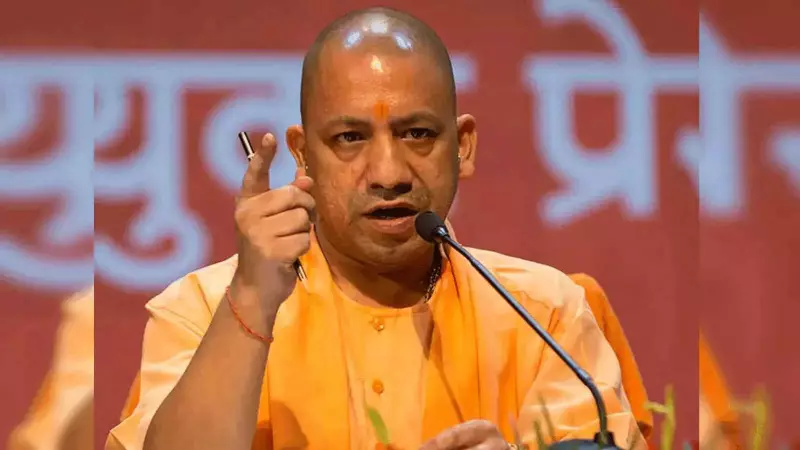
The order mandates that all departments must adhere to this new regulation immediately. This development comes alongside Chief Minister Yogi Adityanath's recent directives to district magistrates concerning illegal immigration control measures, including the establishment of temporary detention centers in each district.

Maharashtra Takes Parallel Action
Simultaneously, the Maharashtra Revenue Department has released a similar notification that carries even broader implications. The state government has declared that Aadhaar cards will not be considered valid documents for creating delayed birth certificates. Furthermore, all birth certificates issued solely based on Aadhaar cards after the Births and Deaths Registration (Amendment) Act, 2023 will be cancelled outright.
The Maharashtra government has also instructed authorities to take disciplinary action against officers who have previously issued such certificates. The state's 16-point verification guideline requires that orders issued by Deputy Tehsildars after the August 11, 2023 amendment to the Birth and Death Registration Act, 1969, must be withdrawn and re-verified by competent authorities or District Collectors.
Broader Context and National Implications
This policy shift in both states presents an interesting contrast to recent Supreme Court rulings that have permitted Aadhaar usage in different contexts. The apex court recently allowed Aadhaar to be used as proof of identity during inclusion in Bihar's electoral roll, directing the Election Commission to accept Aadhaar alongside eleven other documents already permitted under the Special Intensive Revision process.
The timing of these state-level changes is particularly noteworthy as a nationwide Special Intensive Revision is currently underway in twelve states and union territories, including Uttar Pradesh. The final elector's list from this process is scheduled for publication on February 7, 2026.
Uttar Pradesh's unique geographical position, sharing an open border with Nepal that allows unrestricted movement for citizens of both countries, adds another layer of complexity to these documentation verification measures. The state government has emphasized that individuals of other nationalities will be subject to thorough checks despite the open border policy with Nepal.






