Uttar Pradesh Government Streamlines Tree Management in Taj Trapezium Zone
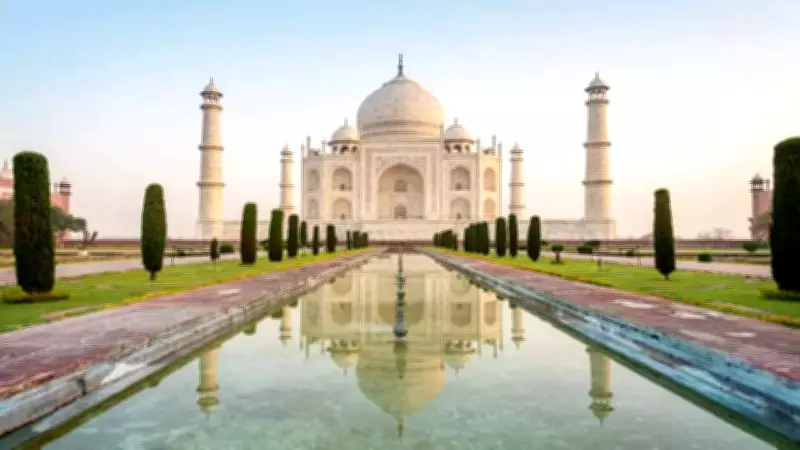
The Uttar Pradesh government has implemented significant regulatory changes to simplify the process for tree pruning, felling, and removal within the environmentally sensitive Taj Trapezium Zone (TTZ). This move particularly benefits farmers operating beyond a 5-kilometer aerial radius of the iconic Taj Mahal, while maintaining the strictest possible restrictions in the immediate vicinity of the monument.
Long-Awaited Relief for Agricultural Communities
For years, cultivators in the outer regions of the TTZ have endured a cumbersome and bureaucratic approval system for routine tree-related activities on their private agricultural lands. The recent changes represent a substantial administrative shift that acknowledges the practical challenges faced by farming communities while balancing critical environmental protections.
The regulatory framework has evolved against the backdrop of restrictions originally imposed by the Supreme Court in the landmark M.C. Mehta vs Union of India case. Under previous regulations, all tree-related activities within the TTZ required prior approval from the apex court following its May 8, 2015 order. In May 2025, the Supreme Court reiterated its position, stating clearly that "No trees, regardless of number, can be cut within a 5-km aerial distance of the Taj Mahal without this court's explicit permission." This reaffirmed that the zone closest to the monument would remain under direct judicial protection.

Decentralized Permissions and New Procedures
According to orders issued by the social forestry department on Sunday, permissions have now been decentralized under the latest standard operating procedure established on March 25, 2026. For farmers operating beyond the 5-kilometer radius, the felling of 1 to 49 trees of specific species including eucalyptus, poplar, and melia dubia can now be approved at the divisional forest officer level. Approval for 50 or more trees will continue to be granted by the Central Empowered Committee (CEC) based in New Delhi.
For non-farmers, the process remains considerably more stringent. Officials clarified that "Permission for felling 1 to 49 trees of all species will be granted by the CEC, while cases involving 50 or more trees will continue to require approval at the highest level." This distinction between agricultural needs and other land uses explains why the regulatory relief has been primarily extended to farmers beyond the 5-kilometer protective belt.
Emergency Provisions and Essential Services
The revised mechanism includes provisions for urgent situations. Divisional forest officers now have authority to grant immediate permission for tree trimming or removal when necessary to prevent property damage, avoid loss of life, or ensure smooth traffic flow. Additionally, the power department has been authorized to undertake trimming and pruning of trees obstructing electric poles and high-tension lines at the divisional level, following earlier directions issued in 2025.
Officials emphasized that "The aim is to avoid disruption in essential services while keeping the process within an accountable administrative framework." This balanced approach seeks to maintain environmental safeguards while addressing practical infrastructure and safety concerns.
Environmental Context of the Taj Trapezium Zone
The Taj Trapezium Zone, spanning approximately 10,400 square kilometers around the Taj Mahal, was specifically created to protect the monument from pollution and ecological stress. This expansive zone includes Agra, Mathura, Firozabad, Hathras, and Etah in Uttar Pradesh, along with Bharatpur in Rajasthan and parts of Aligarh and Dholpur. Given this extensive geographical coverage, even routine administrative decisions within the zone continue to be profoundly shaped by environmental considerations and protective measures.

Within the 5-kilometer radius of the Taj Mahal itself, all permissions for tree pruning, felling, or removal will remain exclusively under Supreme Court jurisdiction, ensuring the strongest possible environmental safeguards remain in place near the world-renowned monument. This layered approach creates a graduated system of protection that intensifies as one approaches the Taj Mahal while providing reasonable administrative flexibility in more distant agricultural areas.