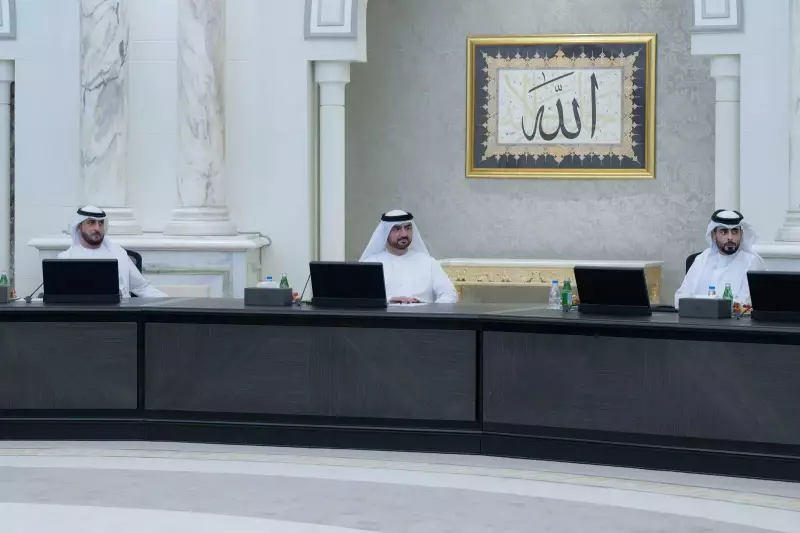
The Sharjah Executive Council has given its approval to a comprehensive and transformative revision of human resources policies governing all government employees within the emirate. This is not a minor update but a foundational shift designed to reshape public sector hiring, performance evaluation, and internal governance for the future.
Key Reforms in Sharjah's New HR Decree
Implemented under Decree-Law No. (2) of 2025, the new regulations target greater efficiency, fairness, and inclusivity within Sharjah's government workforce. The changes will impact both prospective applicants and current employees, altering how roles are defined, managed, and evaluated.
Extended Probation and Emirati Employment Focus
A significant change is the extension of the probation period for new government hires. It has been increased from six months to nine months. Furthermore, with approval from the relevant department, this period can be extended by an additional three months. This provides a longer, more realistic timeframe for both the employer to assess suitability and the employee to adapt and demonstrate their capabilities.

Concurrently, the law establishes a clear priority for national talent. It creates new job grades specifically for UAE nationals and the children of Emirati mothers. Qualified Emirati candidates will be prioritised for roles, moving beyond quota systems to actively build local capacity and ensure sustainable employment for citizens, aligning with the UAE's broader Emiratisation objectives.
Standardisation and Enhanced Inclusivity Measures
To bring uniformity and clarity, all government entities in Sharjah must now prepare and submit their organisational structures for central approval. A centralised manual will define job descriptions, responsibilities, titles, and pay grades, ensuring consistency across different departments.
The reforms also mandate clear, respectful, and substantive procedures for hiring people of determination. This move aims to create genuine opportunities and reflects Sharjah's deep-seated commitment to accessibility and inclusion in the workplace.
New Committees for Governance and Accountability
To strengthen oversight and fairness, the decree introduces several internal HR committees. Each must comprise at least three members to ensure balanced decision-making. The key committees include:
- Disciplinary Committee: Handles cases of workplace violations and misconduct.
- Grievances & Complaints Committee: Addresses employee concerns and internal conflicts.
- Emergency & Crisis Committee: Manages responses to disruptions affecting government operations.
- Supreme HR Committee: A high-level body that reviews overarching HR policies and complex cases.
The Broader Impact of the HR Overhaul
This policy revamp represents a strategic move towards a more organised, professional, and accountable public sector. The expected outcomes include improved hiring practices, better employee retention, support for young Emiratis and underrepresented groups, and strengthened internal governance.
As stated by H.H. Sheikh Abdullah bin Salem bin Sultan Al Qasimi, Deputy Ruler of Sharjah, the overarching goal is to enhance departmental functionality while safeguarding worker rights and boosting overall productivity. The changes apply to both new hires and existing staff, particularly in areas like committee structures and standardised job classifications.