In a significant development, numerous prominent scientists, mobility specialists, and civic activists have launched strong criticism against the controversial Bengaluru tunnel road project. During a recent public gathering, they collectively urged the state government to abandon the proposal, labeling it as fundamentally flawed on multiple fronts.
Scientific Community Raises Alarm
The opposition emerged during the 'People's Convention' organized by the Save Bangalore Committee this past Sunday. Scientists expressed deep frustration over the government's apparent disregard for their expert input regarding the tunnel road initiative.
TV Ramachandra from IISc's Centre for Ecological Sciences voiced particular concern about the government's unwillingness to consider scientific recommendations. "We (IISc) are number one in the country and among the top 100 institutions globally because of the work we do," he stated, characterizing the government's approach as "very irresponsible."

Ramachandra questioned the priorities of the administration, asking, "Did we do anything to mitigate floods in Bengaluru before coming up with such senseless projects?" He highlighted the city's existing struggles with underpasses during heavy rainfall, exacerbated by global climate changes.
The IISc professor further challenged the government to release a white paper detailing all implemented projects and those that failed, demanding accountability from all stakeholders, including consultants involved in these initiatives.
Transportation Experts Question Project Viability
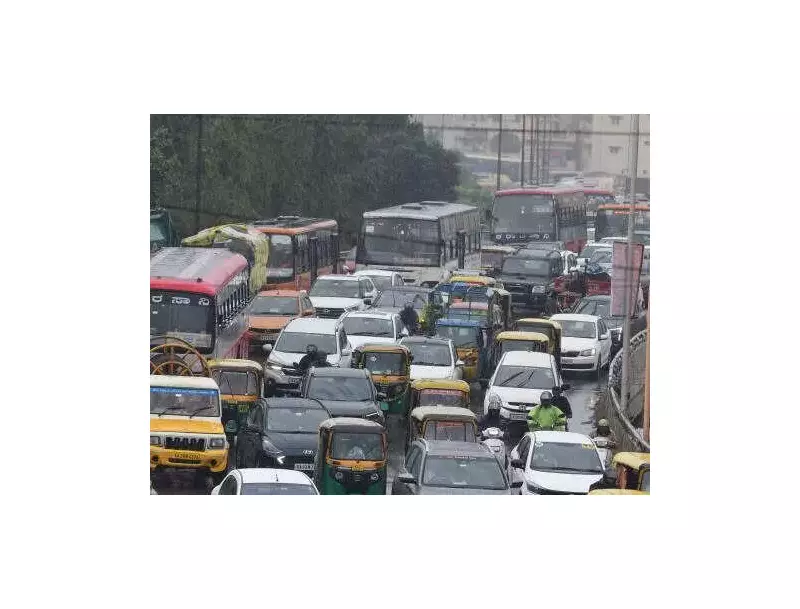
Ashish Verma, professor at IISc Sustainable Transportation lab, presented a stark assessment of the tunnel road's potential effectiveness. He firmly stated that the tunnel road does not represent a genuine solution to Bengaluru's chronic traffic problems.
"Bengaluru is past the tipping point in terms of sustainability and livability and needs drastic moves to reverse this," Verma explained. "The tunnel road project is counterproductive to this objective."
Instead of pursuing car-centric American models that he deemed unsustainable, Verma urged the government to emulate European approaches that prioritize robust public transportation systems, walkability, and cycling infrastructure.
Geological and Financial Concerns Highlighted
CP Rajendran, emeritus scientist at NIAS, expressed astonishment at the rapid progression of proposals and approvals for the tunnel road. He warned that such projects frequently overlook critical factors like local geology, hydrogeology, and seismic risks, potentially causing irreversible environmental damage.
Adding to the geological concerns, Renuka Prasad, former head of Bangalore University's geology department, identified the absence of a comprehensive geological survey for the tunnel road project as a serious oversight that could have significant consequences.
Urban planning expert MN Sreehari noted that tunnel roads primarily suit coastal cities, making them particularly unsuitable for Bengaluru's terrain. He emphasized the project's enormous financial burden compared to public transport alternatives like Metro rail and BMTC improvements.
Kathyayani Chamaraj of Civic Bangalore called the project a "waste of public money," advocating instead for practical measures like expanding the BMTC fleet, improving suburban rail services, ensuring last-mile connectivity, and making public transport more frequent, reliable, and affordable.
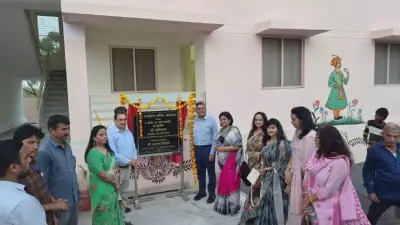
The convention, held at SCM House on Mission Road, saw participation from various distinguished figures including Karnataka's former advocate general Ravivarma Kumar, noted rheumatologist Dharmanand, and VN Rajashekhar of All India Save Education Committee, creating a united front against the controversial infrastructure project.