Prison Reform Voices Echo at Delhi's Ambedkar Centre: Stories of Second Chances
On a significant Saturday near Parliament in New Delhi, the Dr Ambedkar International Centre at Janpath transformed into a vibrant hub for "Reimagining Prisons". This groundbreaking event brought to life powerful narratives and voices that challenge and reshape perceptions of both jails and the incarcerated. Organized by the TYCIA Foundation (Turn Your Concern Into Action) as part of their 'Project Second Chance', the day-long programme titled "India Prison Voices" featured TEDx-style talks and 'human library' sessions where former undertrials and convicts shared their journeys.
Personal Narratives of Transformation and Stigma
The event resonated with deeply personal stories of rejection, profound change, and second chances, alongside the ongoing battle against societal stigma. Former inmates courageously recounted their experiences, highlighting how rehabilitation programs have paved new paths for them. Senior prison officials from various states also participated, sharing innovative best practices that are making a difference across India's correctional system.
- In Uttarakhand, gender education is being integrated into prison schools to promote inclusivity and awareness.
- Maharashtra's open prisons allow incarcerated individuals to run restaurants, fostering entrepreneurship and responsibility.
- Uttar Pradesh has established cooperatives within prisons to provide sustainable livelihood opportunities for inmates.
Art, Horticulture, and Holistic Well-being as Catalysts for Change
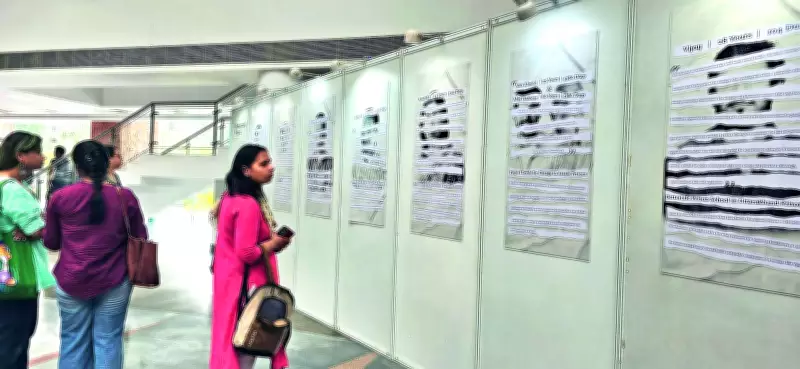
The sprawling atrium of the venue posed a central question: "What does a prison hold beyond its wall?" The answer unfolded through an array of storyboards showcasing reformed individuals, many of whom had spent years in jail for serious crimes. These exhibits highlighted how creative and therapeutic programs have been instrumental in their rehabilitation.

Vishnu, who spent 3,454 days in jail, found solace and transformation through the Tihar Art School, established in 2017. "I believe that painting is the best way to change yourself," he stated on his storyboard, reflecting the power of artistic expression in personal growth.
In Assam, inmates Abul Hashem and Anis Ahmed spent 12 years in prison but built a horticulture unit under the 'Seeds for Change' programme, run in collaboration with Studio Nilima. Their storyboard proudly declares, "We built the horticulture unit. It's ours! I am a grower, not just a number." They described this garden as their "little piece of heaven in hell," illustrating how such initiatives can improve the prison environment and inmate morale.
After 14 years in prison, Anamika emerged renewed thanks to holistic well-being workshops in Karnataka prisons, conducted with the Justice Initiative Foundation. The leadership skills she discovered are now being utilized in her role as lead project officer at the Foundation, demonstrating the long-term impact of such rehabilitation efforts.
Exhibition of Art and Emotional Expression
The event also featured an exhibition showcasing paintings by former inmates from jails across Telangana, Punjab, Rajasthan, and Uttarakhand. These artworks vividly reflected their fears, hopes, and aspirations. One particularly poignant exhibit was titled "Mulakaat" (the meeting time allowed for inmates with family). Through drawings, it expressed the deep longing of inmates for extended visits and the removal of physical barriers, like glass partitions, that separate them from their loved ones.
Future Initiatives and Systemic Reform
Mohit Raj, co-founder of TYCIA, announced plans to take this exhibition to other states to raise awareness about rehabilitation and reform, encouraging society to be more accepting of second chances. He also reflected on the vision behind the newly launched 'Prisons@2047' dashboard, designed for greater coordination among stakeholders in the prison system.

"Emerging from over 30 consultations across prison departments, judiciary, civil society, philanthropy, academia, and people with lived experience, this is not just a report but a live coordination system," Raj explained. "It aims to translate vision into responsibility, with the goal of making the dashboard publicly accessible later this year."
At its core, the dashboard organizes the future of prisons into five themes and twenty sub-themes, clearly outlining the roles, required investments, and expected outcomes for each stakeholder over time. This initiative represents a significant step toward systemic reform, aiming to foster collaboration and accountability in India's prison ecosystem.