The Madhya Pradesh high court has recognized the disputed Bhojshala complex in the Dhar district as a temple dedicated to Goddess Vagdevi, a decision announced on Friday. In response, police have tightened security in the area to prevent any potential unrest.
Background of the Dispute
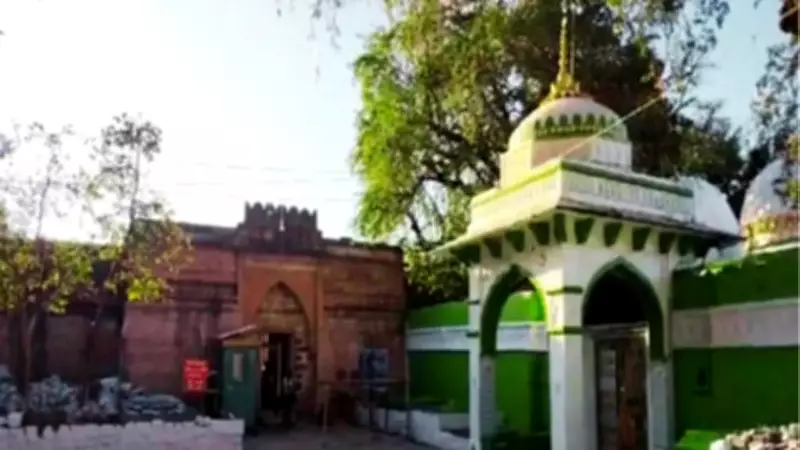
The legal conflict revolves around determining the religious character of the monument, which is protected by the Archaeological Survey of India (ASI). Hindus have long argued that the Bhojshala complex is a temple of Goddess Vagdevi (Saraswati), while Muslims claim it is the site of the Kamal Maula mosque. The dispute has been ongoing for years, with both communities asserting their claims.
District Administration Appeals for Peace
Dhar District Collector Rajiv Ranjan Meena issued an appeal to citizens to maintain peace and avoid spreading misleading information or rumors. In a video released by the Public Relations Office, he stated, "A court decision is expected regarding the ancient structure protected by the ASI in Dhar district. We appeal to all citizens to maintain peace in the district and not to pay attention to misleading information or rumours. The district administration is monitoring such misinformation and rumours, and strict action will be taken against any untoward information received in this regard."

Speaking to ANI, Meena further informed that additional police forces have been deployed to maintain peace in the area. "The executive magistrate and police force have been deployed, and we are keeping a watch on all the significant aspects," he said.
Court Proceedings
On May 12, the Indore Bench of the Madhya Pradesh high court reserved its decision after concluding final arguments. A division bench comprising Justice Vijay Kumar Shukla and Justice Alok Awasthi had been hearing the matter regularly since April 6, hearing all parties involved, including petitioners, respondents, interveners, and the ASI.
Shreesh Dubey, the lawyer for Bhoj Utsav Samiti, explained, "Since April 6, 2026, regular hearings have been taking place in the matter, and the case has been heard for nearly 25 days. During this period, the court heard all parties for around 60 hours. After hearing all sides, the proceedings concluded today." He also noted that the ASI's counsel responded to all deficiencies pointed out in the ASI survey and questions raised over it. "The final argument has now concluded, and the next hearing will be for the judgement. I believe the verdict will come after the court vacation," Dubey added.
Aviral Khare, counsel for the ASI, stated that during the final argument, they responded to all objections regarding the ASI survey report. "We informed the court that the survey conducted at Bhojshala complex was carried out strictly in accordance with the court's directions and with complete impartiality and transparency. The ASI survey report runs into more than 2,000 pages and contains detailed descriptions of every aspect, including the methods used, the court's directions, how and where the survey was conducted, what findings were made at various locations, and the conclusions drawn by the ASI after analytical study and investigation," Khare said.
He confirmed that final arguments from all parties were concluded on Tuesday, and the court has reserved the matter for its decision. No further arguments will take place; only the judgement remains, which the court will pronounce in due course.
Existing Arrangement at the Complex
According to an arrangement established in 2003, Hindus are permitted to perform puja at the complex on Tuesdays from sunrise to sunset, while Muslims offer namaz on Fridays from 1 pm to 3 pm. This arrangement has been in place to allow both communities to use the site, pending a final legal resolution.
The recognition of the Bhojshala complex as a temple by the high court marks a significant development in the long-standing dispute. Authorities remain vigilant to ensure that the verdict does not lead to any law and order issues in the region.