Prime Minister Narendra Modi has ignited a significant national conversation by repeatedly addressing India's colonial past in his recent speeches. Within a span of just two weeks, the Prime Minister has brought the controversial legacy of Thomas Macaulay under scrutiny, highlighting what many see as a long-overdue examination of colonial mentalities.
The Macaulay Controversy Revisited
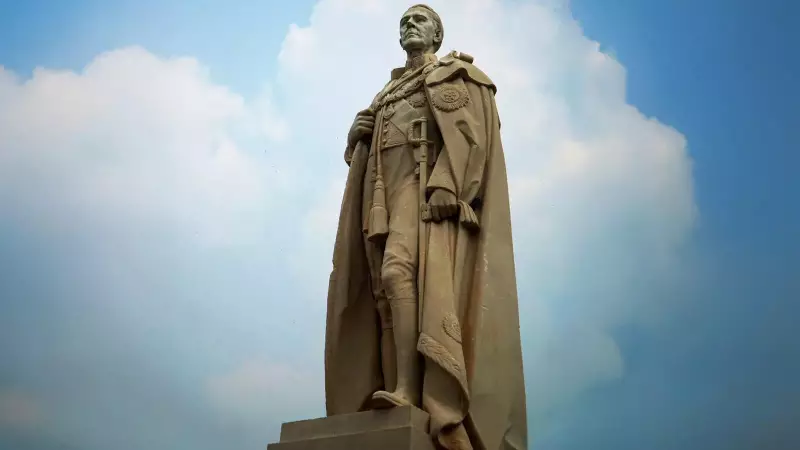
In his major addresses, PM Modi focused particular attention on Thomas Macaulay, the 19th-century British historian and politician who played a pivotal role in shaping India's education system during colonial rule. While acknowledging Macaulay's scholarly accomplishments, the Prime Minister emphasized how the colonial administrator deliberately undermined India's rich intellectual heritage.
Macaulay's infamous minute on Indian education, which dismissed Oriental knowledge as worthless while proclaiming the superiority of Western civilization, continues to resonate painfully in the Indian consciousness even after centuries. The Prime Minister's intervention marks the first time a sitting political leader with significant power has attempted to systematically address this historical wound and restore India's cultural confidence.

Beyond the English Language Debate
Contrary to what some commentators have suggested, the Prime Minister's critique extends far beyond a simple opposition to the English language. The core issue revolves around what Modi describes as "the soul of a nation still trapped in mental servitude." This represents a deeper philosophical challenge to the colonial mindset that has persisted in India's institutions and collective psychology long after independence.
The timing and repetition of this message in multiple high-profile speeches indicates the government's serious commitment to addressing what it perceives as a fundamental gap in India's national self-esteem. Rather than being merely symbolic, this represents a conscious effort to redefine the country's educational and cultural priorities.
Historical Context and Contemporary Relevance
Thomas Macaulay's educational policies, implemented in the 1830s, were designed to create a class of Indians who would be "Indian in blood and color, but English in taste, in opinions, in morals, and in intellect." This systematic dismantling of indigenous knowledge systems has had lasting consequences that extend well beyond the classroom.
Prime Minister Modi is not the first to identify this psychological colonization, but he is certainly the most powerful political figure to make it a central theme of governance. His approach seeks to confront what he characterizes as a "black hole in India's self-esteem" that continues to affect the nation's progress and global positioning.
The ongoing debate touches upon several critical aspects of India's development journey. These include the decolonization of education, the revival of indigenous knowledge systems, and the building of a truly confident national identity that draws from India's civilizational strengths while embracing contemporary global opportunities.
As this conversation gains momentum across academic circles, media platforms, and public discourse, it promises to reshape how Indians perceive their history and envision their future. The Prime Minister's persistent focus on this issue suggests that educational and cultural reforms may become increasingly central to the government's nation-building agenda in the coming years.