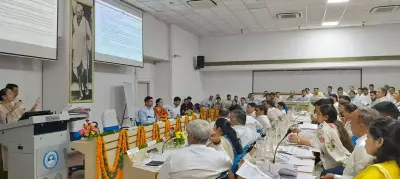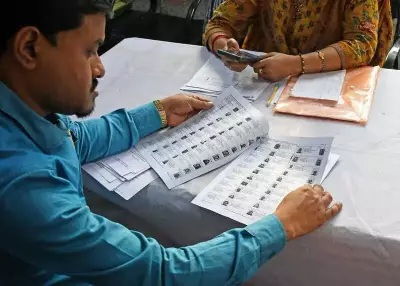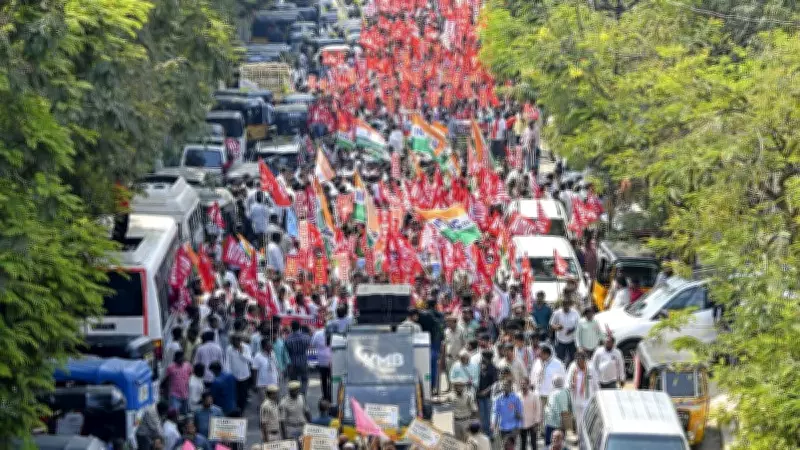
India's ambitious labour codes, aimed at overhauling the country's archaic labour laws, are meeting with stiff resistance from workers and their leaders. The government has responded by branding protesters as 'anti-national' and invoking stringent laws to suppress dissent. Meanwhile, the ongoing war in West Asia has triggered a severe fuel crisis, prompting migrant workers, especially, to leave cities and return to their villages.
Worker Protests Intensify
Trade unions and worker organisations have been at the forefront of protests against the four labour codes—on wages, industrial relations, social security, and occupational safety, health and working conditions. The codes, passed by Parliament in 2019 and 2020, are set to be implemented soon, but workers fear they will erode their rights and benefits. Protesters have been met with accusations of being 'anti-national', and many have been booked under stringent laws, including the Unlawful Activities (Prevention) Act (UAPA).
Fuel Crisis Adds to Woes
The West Asia conflict has disrupted global oil supplies, leading to a sharp rise in fuel prices in India. This has hit the transportation sector hard, making it difficult for workers to commute to their workplaces. Many migrant workers, who form the backbone of industries in cities like Delhi, Mumbai, and Bengaluru, have decided to return to their villages. The exodus has created labour shortages in several sectors, including construction, manufacturing, and services.

Government's Stand
The government maintains that the labour codes are designed to simplify laws, boost ease of doing business, and protect workers' rights. It argues that the codes will lead to more jobs and better working conditions. However, critics point out that the codes reduce the power of trade unions, make it easier for employers to hire and fire workers, and do not adequately address issues like minimum wage and social security for informal sector workers.
Impact on Migrant Workers
The fuel crisis has exacerbated the plight of migrant workers, who already face precarious living and working conditions. With rising fuel costs, many are unable to afford transportation, forcing them to walk long distances or hitch rides. Some have resorted to cycling, but the heat and lack of proper infrastructure make it challenging. The return of migrant workers to villages is reminiscent of the exodus seen during the COVID-19 lockdown in 2020.
Future Outlook
The situation remains fluid, with both sides digging in their heels. The government has indicated it will not back down on the labour codes, while worker organisations have vowed to continue their protests. The fuel crisis shows no signs of abating, and the coming months could see further unrest. The exodus of migrant workers may force industries to rethink their reliance on cheap labour, potentially leading to higher wages and better conditions in the long run.