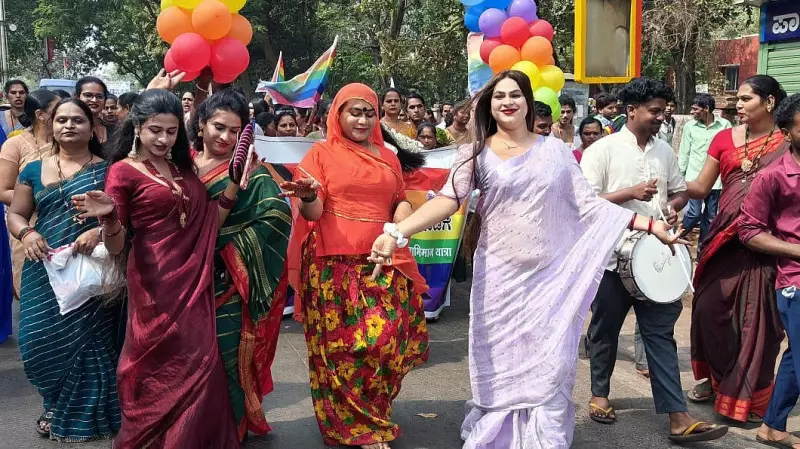
A comprehensive survey conducted by the Karnataka government has identified 10,365 individuals belonging to sexual minorities across the state, shedding light on their socio-economic challenges and educational hardships. The findings, released recently, have prompted officials to recommend a significant policy intervention: a 1% job reservation for these communities in the private sector, aiming to foster inclusivity and address systemic barriers.
Survey Highlights Alarming Educational Experiences
The survey delved into the educational journeys of sexual minorities, uncovering distressing statistics that underscore the need for urgent action. According to the data, a substantial 33% of respondents reported experiencing violence during their educational pursuits, highlighting a pervasive issue of safety and acceptance in academic environments.
Discrimination and Dropout Rates
Further exacerbating these challenges, 36% of sexual minorities stated they faced discrimination based on their identity, which often translated into social exclusion and psychological distress. This hostile atmosphere contributed to a notable 25% of individuals quitting their studies prematurely, depriving them of educational opportunities and future career prospects.

Recommendations for Economic Empowerment
In response to these findings, the survey report strongly advocates for a 1% job quota in the private sector specifically for sexual minorities. This recommendation aims to enhance economic empowerment, reduce unemployment rates within these communities, and promote diversity in corporate workplaces. By integrating such measures, Karnataka could set a precedent for other states in India to follow, fostering a more equitable society.
Broader Implications and Future Steps
The survey not only quantifies the population of sexual minorities but also calls for holistic support systems, including anti-discrimination policies and educational reforms. As discussions around this proposal gain momentum, stakeholders from government bodies, private enterprises, and civil society are urged to collaborate in implementing these recommendations effectively.
This initiative reflects a growing recognition of the rights and needs of sexual minorities in India, marking a step forward in the journey towards social justice and equality.