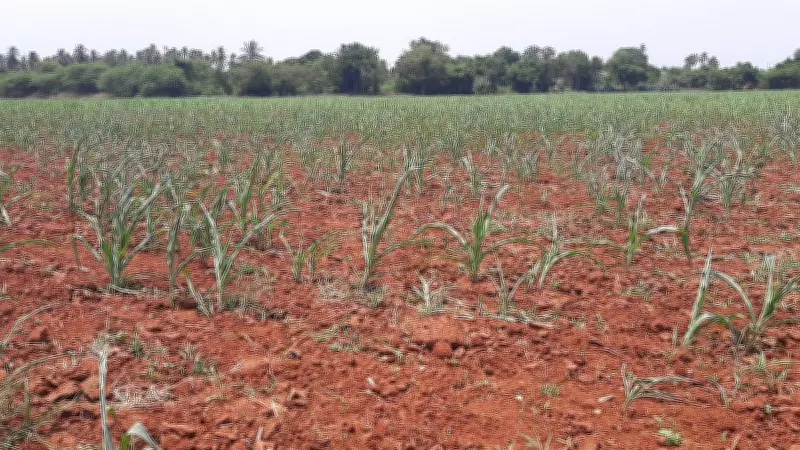
Karnataka is facing severe crop loss jitters as sowing for the kharif season has reached only 30% of the target, according to Manjunath Hegde Bomnalli. The sowing window typically closes between mid- and end-July, depending on the region, leaving the fate of the season dependent on a timely revival of the monsoon.
Current sowing status
As of 23 June 2026, data from the state agriculture department indicates that only 30% of the targeted area has been sown. This is significantly lower than the normal pace for this time of year, raising concerns among farmers and officials alike.
According to Bomnalli, the shortfall is primarily due to deficient rainfall in key agricultural districts. The monsoon has been erratic, with some regions receiving below-normal precipitation.

Impact on key crops
The delay in sowing affects major kharif crops including paddy, maize, pulses, and oilseeds. Paddy, the staple crop, is particularly vulnerable as it requires consistent water supply during the early growth stages.
Farmers in northern Karnataka, which accounts for a large share of the state's food grain production, have reported that they are waiting for sufficient soil moisture before proceeding with sowing.
Government response
State agriculture minister, speaking on condition of anonymity, stated that the government is closely monitoring the situation and has prepared contingency plans. We are ready to provide alternative seeds and support if the monsoon revives,
he said.
Officials have advised farmers to opt for short-duration varieties if sowing is delayed beyond mid-July. The department has also set up a helpline for real-time advisories.
Monsoon forecast
The India Meteorological Department has predicted that monsoon activity may pick up in the last week of June. However, experts warn that even with revival, the window for optimal sowing is narrow.
According to agricultural scientist Dr. S. R. Prasad, Crops sown after the first week of July face a higher risk of yield loss due to reduced growing period and potential pest attacks.
Long-term implications
If the sowing shortfall persists, Karnataka could see a significant drop in kharif output, affecting food prices and farm incomes. The state contributes substantially to India's coarse grains and pulses production, and any deficit could impact national supplies.
Bomnalli's report underscores the urgency for immediate rain. Farmers are anxiously watching the skies, hoping for a break in the dry spell.