Goa Waste Management Association Challenges Deposit Refund Scheme Effectiveness
The Waste Management Association Goa (WMAG) has issued a strong statement declaring that the upcoming Deposit Refund Scheme (DRS) will fail to resolve Goa's persistent plastic waste problem. The association is demanding that the government implement a comprehensive ban on single-use plastics across the state before rolling out the DRS program.
Key Concerns About Current DRS Implementation
Clinton Vaz, founder of VRecycle and spokesperson for WMAG, highlighted critical flaws in the current DRS framework. "Waste accumulating on our streets is completely excluded from the DRS program," Vaz explained. "The scheme should specifically address items like nappies and sanitary pads, which have zero recycling value yet cost approximately Rs 25 per kilogram to dispose of properly."
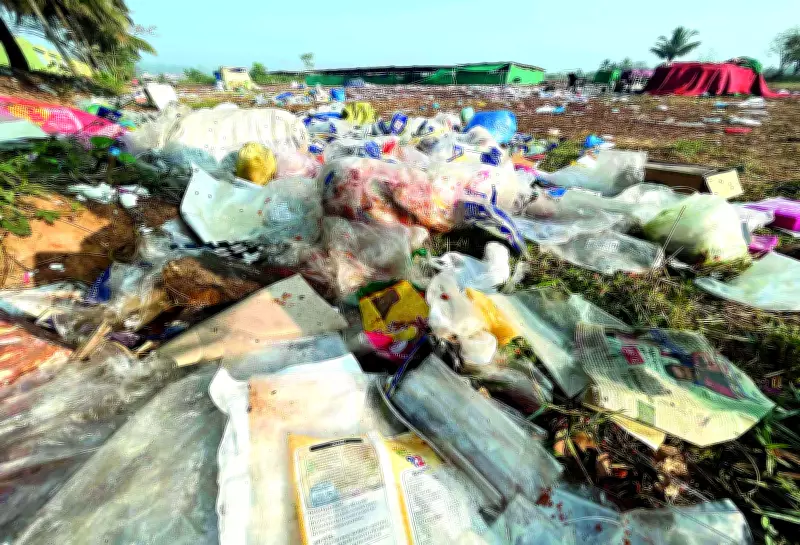
The association argues that instead of concentrating on glass bottles and PET containers, government efforts should prioritize multi-layered plastics and sanitary waste products that constitute a significant portion of Goa's litter problem.

Study Reveals Limited Impact of DRS
A detailed study conducted by WMAG in February at ten different locations across Goa revealed troubling findings about the DRS's potential effectiveness. The research indicates that during the initial phase of DRS implementation, less than 5% of roadside waste would actually be addressed by the scheme.
The study further discovered that nearly half of all waste littering highways and village roads consists of problematic materials including multi-layered plastic packaging, food waste, sanitary pads, nappies, and discarded cloth items.
Operational and Economic Concerns
WMAG, representing approximately 25 different waste management firms handling various types of recyclable and non-recyclable materials throughout Goa, warns that the unplanned DRS rollout scheduled for April will severely disrupt existing waste collection systems. This disruption is expected to particularly affect municipal areas including Margao and Mapusa.
"The Deposit Refund Scheme will not solve Goa's plastic pollution crisis," Vaz stated emphatically. "Instead, it will complicate matters significantly, which is why we are formally requesting the government to defer implementation by three to six months for proper planning and adjustments."
Monopoly and Livelihood Threats
The association expressed additional concerns that DRS implementation could create monopolies over recyclable materials while simultaneously increasing waste management costs for residents who already practice waste segregation and pay garbage taxes regularly.
To protect the livelihoods of thousands of workers currently employed in Goa's waste management sector, WMAG proposes that the government share a percentage of scrap value revenue with the various agencies responsible for collecting different types of garbage throughout the state.
The association's position represents a significant challenge to current waste management policy directions, emphasizing that comprehensive solutions must address the full spectrum of waste materials rather than focusing narrowly on specific recyclable items.