Delhi Chief Minister Arvind Kejriwal has publicly acknowledged that the city's recently enforced 'No PUC, No Fuel' policy might cause some inconvenience to vehicle owners. However, he firmly stated that the stringent measure is an essential step in the broader fight against the capital's severe air pollution crisis.
What is the 'No PUC, No Fuel' Policy?
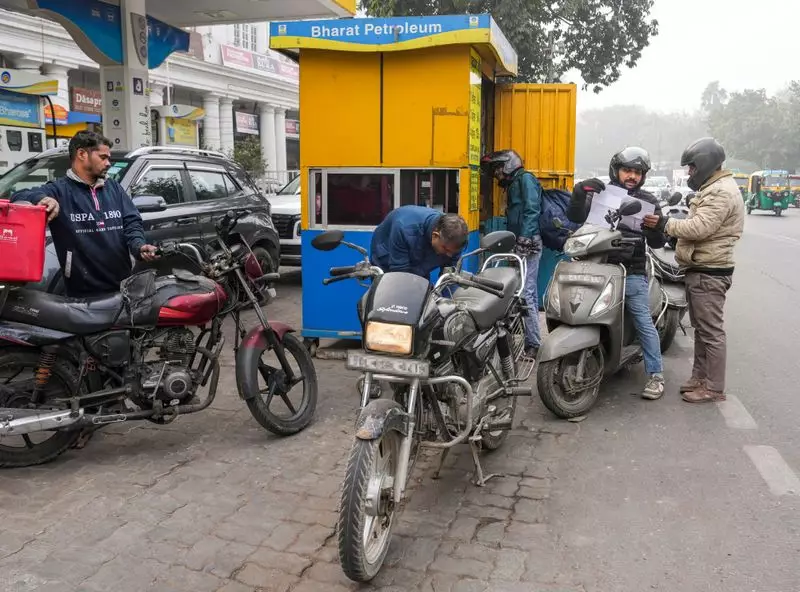
The policy, which came into effect on October 25, 2022, mandates that all petrol and diesel vehicle owners must present a valid Pollution Under Control (PUC) certificate at fuel stations before they can refuel their vehicles. This rule applies across the entire National Capital Territory of Delhi. The enforcement is a direct order from the Delhi government's Transport Department, aimed at ensuring vehicles on the road comply with emission norms.
Kejriwal explained the rationale behind the move, emphasizing that a significant portion of Delhi's toxic air pollution originates from vehicular emissions. By making the PUC certificate compulsory for refueling, the government aims to compel vehicle owners to regularly check and maintain their vehicles' emission levels. This, in turn, is expected to bring down the overall pollution output from the transportation sector.

Public Reaction and Government's Stance
Since its implementation, the rule has generated mixed reactions from Delhi's residents. While many citizens understand and support the environmental intent, others have raised concerns about the practical difficulties, especially for those with expired certificates or facing long queues at PUC centers.
Addressing these concerns, CM Kejriwal appealed for public cooperation. "We understand that this could lead to some hassle for people," he said, "but this is a very necessary step for reducing pollution. The health of our children and elderly is paramount, and we must all contribute to making Delhi's air cleaner." He urged vehicle owners to proactively get their PUC certificates updated to avoid last-minute rushes and denial of service at petrol pumps.
The Larger Battle Against Air Pollution
The 'No PUC, No Fuel' rule is not an isolated action but part of a multi-pronged Graded Response Action Plan (GRAP) that is activated in Delhi-NCR during the winter months when air quality deteriorates to dangerous levels. Other measures include a ban on construction activities, the entry of polluting trucks, and the use of diesel generators.
The Kejriwal-led government has consistently highlighted that tackling air pollution requires strict and sometimes unpopular decisions. The administration is betting on this enforcement to significantly increase compliance rates for PUC certifications, which have historically been low. Officials believe that if successfully implemented, this policy could set a precedent for other Indian cities grappling with similar air quality issues.
The success of this initiative largely hinges on seamless execution at fuel stations and widespread public awareness. The government has instructed all petrol pump operators to strictly adhere to the guidelines and has assured that adequate PUC testing facilities are available across the city to meet the increased demand.