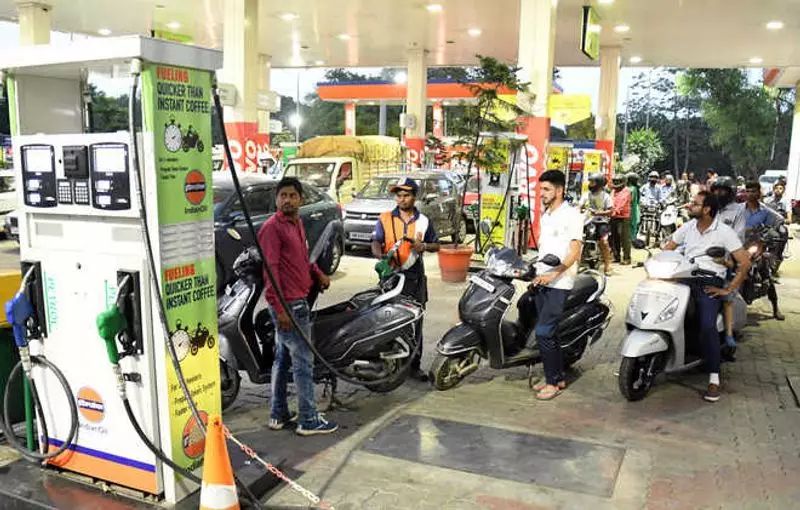
The Delhi government's stringent directive linking fuel purchase to valid pollution certificates has officially taken effect, leading to a noticeable decline in customer numbers at petrol stations across the national capital. The 'No PUC, No Fuel' rule, announced earlier, mandates that vehicles must possess a valid Pollution Under Control (PUC) certificate to be eligible for refueling.
Immediate Impact on Petrol Pump Business
Since the enforcement began, petrol pump owners have reported a sharp reduction in daily footfall. Estimates suggest a decline of between 30% to 40% in customers compared to normal days. This drop is directly attributed to drivers being turned away for not carrying the mandatory PUC document. The rule applies to all vehicle categories, including two-wheelers, cars, and commercial vehicles.
Petrol pump attendants have been instructed to strictly comply with the order. They are required to ask for the PUC certificate before dispensing fuel. Many consumers, caught unaware or with expired certificates, have had to leave without filling their tanks, leading to visible queues shortening at several outlets.

Government's Stance and Enforcement Drive
The Delhi Transport Department implemented this rule as a critical measure to combat the city's deteriorating air quality. Officials argue that ensuring all vehicles on the road are pollution-compliant is non-negotiable for public health. The government has warned that petrol pumps failing to adhere to the directive will face severe penalties, including potential suspension of their operating licenses.
Enforcement teams are conducting random checks at petrol stations to ensure compliance. The move is part of a broader Graded Response Action Plan (GRAP) to tackle pollution, especially during the winter months when air quality typically plunges to hazardous levels.
Public Reaction and Practical Challenges
The sudden enforcement has elicited mixed reactions from Delhi's residents. While environmentally conscious citizens support the move, many others have expressed frustration over logistical hurdles. Long queues have been reported at authorized PUC testing centers as vehicle owners rush to get their certificates updated or renewed.
Some commuters have pointed out difficulties in obtaining a PUC certificate for vehicles registered in other states, though the rule currently applies to all vehicles refueling in Delhi. Petrol pump associations have also raised concerns about the practical challenges of implementation, including potential conflicts with customers and the added responsibility placed on their staff.
The Road Ahead for Delhi's Pollution Control
The 'No PUC, No Fuel' policy represents one of the most direct interventions by the Delhi government to control vehicular emissions at the source. Its success hinges on consistent enforcement and public cooperation. Authorities are urging all vehicle owners to proactively get their PUC checked and renewed to avoid inconvenience.
If sustained, this policy could lead to a significant increase in the percentage of compliant vehicles on Delhi's roads, potentially contributing to better air quality metrics. However, its long-term efficacy and impact on both pollution levels and the daily life of commuters will be closely monitored in the coming weeks.