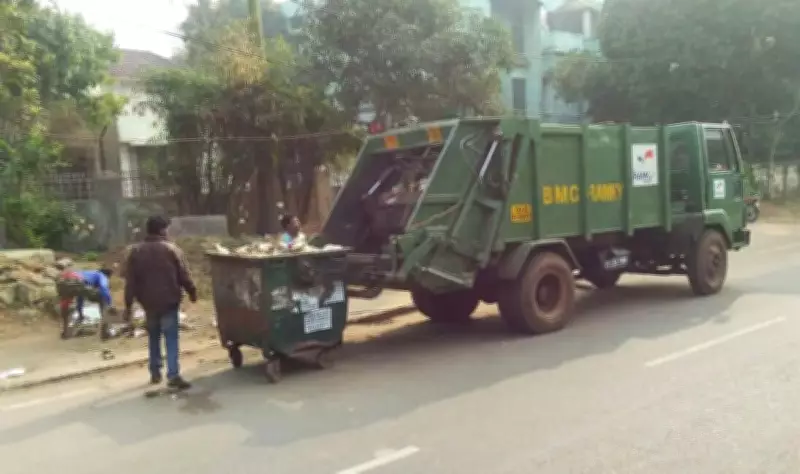
Bhubaneswar: Fuel rationing could severely impact sanitation services in the city, the Bhubaneswar Municipal Corporation (BMC) has warned, prompting it to request oil companies for an exemption from the central government's 200-litre daily fuel cap under austerity guidelines. The BMC, which requires approximately 2,000 litres of fuel per day for its operations, fears that the limit would reduce its activities to just 10% of normal levels. The civic body has also approached the state supply department to intervene in the matter.
BMC's Fuel Requirements and Concerns
In a letter to the food supplies and consumer welfare department, the BMC highlighted that it has hired an agency for bio-mining project activities at Bhausuni. The agency uses heavy machinery that consumes about 3,000 litres of fuel per week. However, following the Centre's notification, Bharat Petroleum Corporation Limited (BPCL) has expressed its inability to supply that much fuel. This could lead to a disruption in fuel availability at the designated location, the letter stated.
The letter further emphasized that the bio-mining activities at Bhuasuni are critical for the operation of heavy vehicles and machinery used for essential municipal and emergency services. It requested a suitable exemption or relaxation from the provisions of the Gazette of India notification dated June 11, to ensure an adequate fuel supply for the BMC.

Impact on Waste Management
The BMC handles around 800 metric tonnes of municipal solid waste daily. Most of the door-to-door waste collection and transportation to waste facilities rely on diesel-powered vehicles. Any reduction in fuel availability could hamper these essential services, leading to potential health and environmental hazards.
Kailash Chandra Dash, the BMC additional commissioner in charge of vehicles, stated that the corporation has urged three oil companies to supply fuel beyond the 200-litre daily cap. Two of these companies have expressed their inability to do so, although they have not yet stopped fuel supply. The BMC spends approximately Rs 2 lakh per day on fuel for its light commercial vehicles, mechanized sweeping machines, and other heavy vehicles used for essential services. The daily operation of these vehicles is crucial for managing municipal solid waste effectively, Dash added.