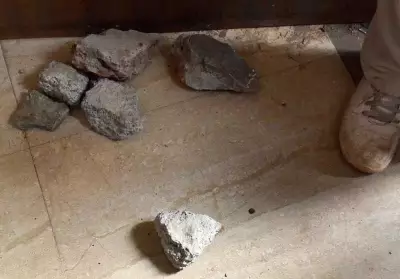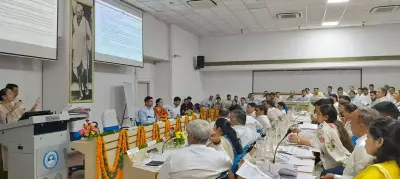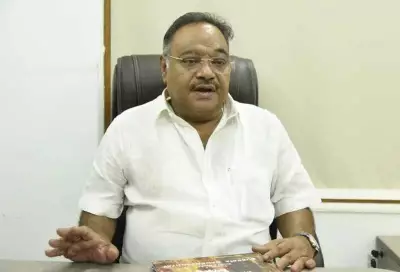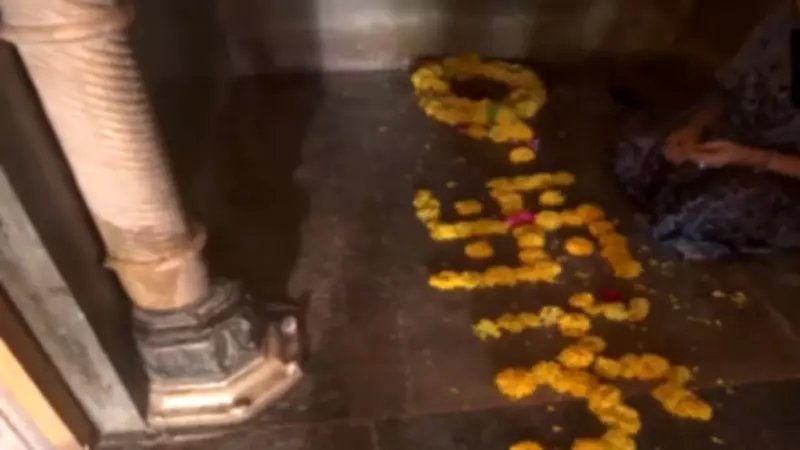
In a significant development, devotees thronged the Bhojshala complex in Dhar, Madhya Pradesh, to offer prayers after the Madhya Pradesh High Court declared the site a Saraswati temple. The verdict, delivered on May 16, 2026, brought an end to a long-standing legal dispute over the religious nature of the historic site.
High Court Ruling
The High Court bench, comprising Justice Rajendra Kumar and Justice Anil Verma, ruled that the Bhojshala complex is a temple dedicated to Goddess Saraswati. The court directed the Archaeological Survey of India (ASI) to allow Hindu devotees to perform prayers and rituals at the site. The judgment cited historical evidence and inscriptions that established the site's original character as a temple.
Devotees Celebrate
Following the verdict, hundreds of devotees gathered at the Bhojshala complex, chanting hymns and offering flowers to the deity. Many expressed joy and relief, stating that their long-standing demand had been fulfilled. Local leaders and religious groups hailed the decision as a victory for faith and historical truth.

Background of the Dispute
The Bhojshala complex, built by King Bhoja in the 11th century, had been a subject of contention between Hindus and Muslims. While Hindus claimed it as a temple of Saraswati, Muslims argued that it housed a mosque known as Kamal Maula's tomb. The ASI had maintained the site as a protected monument, allowing limited access to both communities.
Court's Observations
The High Court observed that the architectural features, such as the garbhagriha (sanctum sanctorum) and the presence of idols, clearly indicated the site's original purpose as a temple. The court also noted that the mosque was built later during the Mughal era, but the core structure remained a temple. The verdict emphasized that the site should be used for worship as per its original character.
Reactions
The ruling was welcomed by Hindu organizations, including the Vishva Hindu Parishad and the Bajrang Dal. However, Muslim groups expressed disappointment and announced plans to challenge the verdict in the Supreme Court. The state government assured that it would implement the court's order while maintaining law and order.
The ASI has been directed to facilitate the daily rituals and ensure the preservation of the monument. Devotees are now allowed to enter the sanctum sanctorum and offer prayers, which was previously restricted. The court also ordered the removal of any structures that obstructed the temple's original layout.
Future Implications
The verdict is expected to set a precedent for similar disputes across India, where historical sites have multiple religious claims. Legal experts believe that the judgment reinforces the importance of historical evidence in determining the character of religious places. The case also highlights the role of the judiciary in resolving sensitive communal issues.