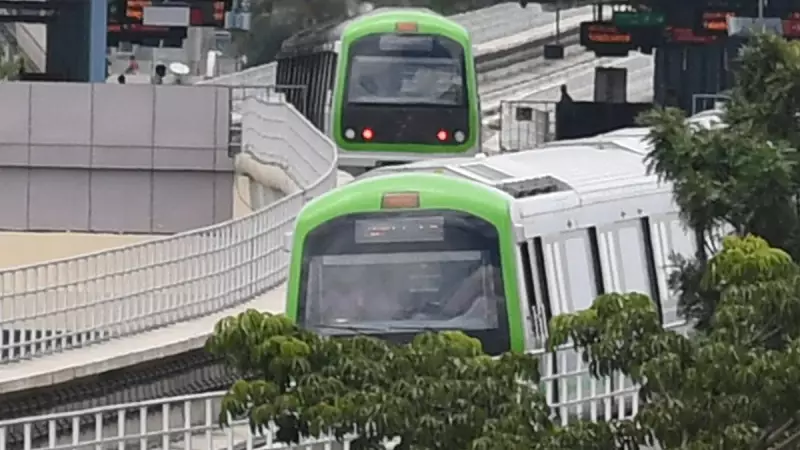
The proposed Bengaluru-Tumakuru metro extension is facing mounting criticism from urban planning experts and financial analysts who question both its mobility logic and financial viability. The project, estimated to cost thousands of crores, risks becoming what critics are calling another white elephant in Karnataka's infrastructure portfolio.
Questionable Planning and Financial Risks
According to sources familiar with the project planning, the metro line extension appears to defy conventional urban mobility principles. The route connecting Bengaluru with Tumakuru, while potentially serving some commuters, may not address the core transportation needs of either city effectively.
Financial experts have raised alarms about the project's massive budget allocation at a time when public funds are stretched thin across multiple infrastructure initiatives. The timing of this project, given existing financial constraints, has drawn particular scrutiny from budgetary oversight committees.

Historical Context of Infrastructure Challenges
This isn't the first time a major infrastructure project in Karnataka has faced such criticism. The state has previously witnessed several high-profile projects that failed to deliver promised returns on investment, leaving taxpayers to bear the burden of underutilized infrastructure.
The Bengaluru metro system itself has experienced both successes and challenges in its various phases, with some sections exceeding ridership projections while others struggle to attract expected passenger numbers. This mixed track record adds to the skepticism surrounding the Tumakuru extension.
Potential Consequences and Alternative Solutions
If the project proceeds without addressing the fundamental concerns raised by experts, the consequences could be significant. Taxpayer money running into thousands of crores might be allocated to a project that fails to serve its intended purpose effectively.
Urban mobility specialists suggest that alternative solutions, including improved bus services, railway upgrades, or focused last-mile connectivity enhancements, might deliver better value for money while serving a larger segment of the population between the two cities.
The debate continues as stakeholders await more detailed feasibility studies and ridership projections that could either validate the project's rationale or confirm critics' worst fears about its financial and operational sustainability.