BBC Faces Scrutiny Over Trump Speech Editing Claims
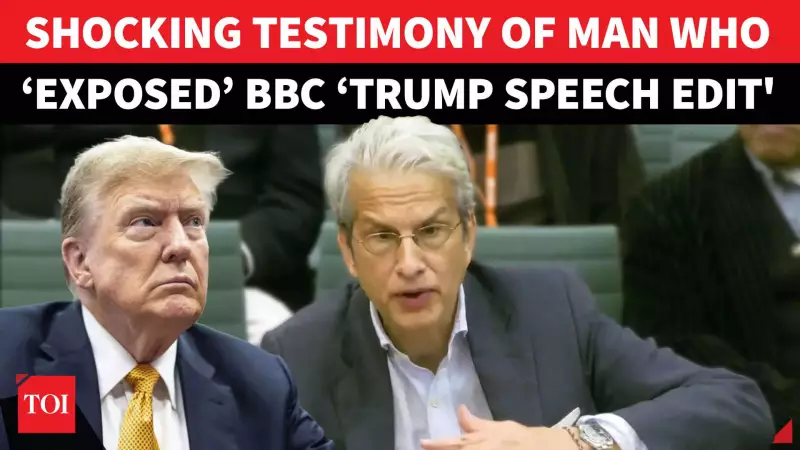
In a dramatic development that has sent shockwaves through media and political circles, Michael Prescott appeared before the UK parliament to deliver what observers are calling a bombshell testimony. The testimony, given on camera, focused on alleged edits made by the BBC to a speech delivered by former US President Donald Trump.
The proceedings, which took place on November 25, 2025, have raised serious questions about the accuracy and handling of the broadcast by the British broadcasting giant. Prescott's revelations have ignited a fresh debate about editorial standards and potential misrepresentation in media coverage of political figures.
Key Revelations from Prescott's Testimony
According to multiple sources present during the parliamentary hearing, Michael Prescott's testimony provided new insights into how the BBC handled the Trump speech broadcast. While specific details of the edits remain under scrutiny, the testimony reportedly exposed significant concerns about the editorial process followed by the broadcasting corporation.

The timing of this revelation is particularly significant given the current global political climate and ongoing discussions about media integrity. Prescott's appearance before parliament represents a formal investigation into claims that have been circulating in media watchdog circles for some time.
The testimony has prompted immediate reactions from political commentators and media analysts, many of whom are calling for greater transparency in broadcast journalism. The allegations, if proven true, could have far-reaching implications for the BBC's reputation and credibility.
Broader Context and International Reactions
This development comes amid a series of international political tensions highlighted in related news coverage. Recent reports indicate that Kyiv has rejected Trump's peace plan, with Ukraine's speaker drawing red lines on army concessions. Meanwhile, NATO nation leaders have criticized what they describe as Trump's 'pro-Putin Zelensky surrender' plan.
The situation has become increasingly complex, with reports suggesting that Trump was stunned when Zelensky refused to surrender to Putin, while Mike Johnson has publicly backed Ukraine's sovereignty. European nations are reportedly developing counter-plans that sideline Trump's Ukraine peace proposal, adding another layer to the ongoing geopolitical drama.
These parallel developments highlight the sensitive nature of political reporting and the importance of accurate media representation, particularly when covering international conflicts and diplomatic initiatives.
Implications for Media Integrity and Political Reporting
The Prescott testimony has ignited a crucial conversation about editorial responsibility in covering political figures and sensitive international matters. Media watchdogs and journalism ethics experts are closely monitoring the situation, emphasizing the need for unbiased reporting, especially when dealing with content that could influence public opinion and international relations.
As the story continues to develop, all eyes remain on the UK parliament's investigation and the BBC's response to these serious allegations. The outcome of this inquiry could set important precedents for media accountability and editorial standards in political journalism.
The broadcasting corporation now faces increasing pressure to address these allegations transparently and demonstrate its commitment to journalistic integrity. The international community awaits further developments in what has become a significant test case for media credibility in political reporting.