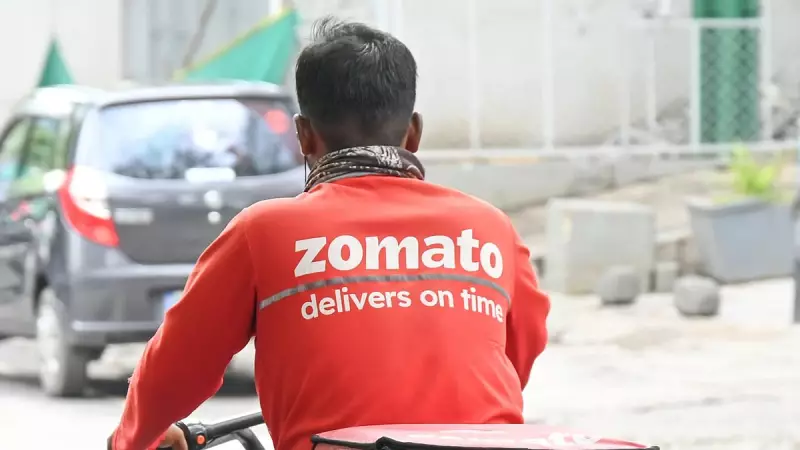
In a startling revelation that highlights the growing traffic chaos in India's tech capital, delivery agents working for various e-commerce and food delivery platforms have accumulated a massive 1.46 lakh traffic violations in Bengaluru between January 2023 and May 2025. The data, compiled by Bengaluru Traffic Police, paints a concerning picture of road safety as the gig economy continues to expand rapidly across the city.
The Rising Tide of Traffic Offenses
According to official statistics, the year 2024 alone witnessed 76,861 cases registered against delivery personnel, marking a significant increase from the 69,213 cases recorded in 2023. The trend shows no signs of slowing down, with the first five months of 2025 already accounting for numerous violations. The majority of these infractions involve dangerous riding practices that put both the delivery executives and other road users at risk.
Joint Commissioner of Police (Traffic) M N Anucheth confirmed the alarming numbers, stating that the traffic police have been actively monitoring and penalizing offenders. The violations span across multiple categories, with speeding, wrong-side driving, signal jumping, and using mobile phones while riding being among the most common offenses committed by delivery agents rushing to meet tight deadlines.

Pressure Cooker Environment for Delivery Executives
The explosion in traffic violations coincides with Bengaluru's growing dependence on quick commerce and food delivery services. Companies like Swiggy, Zomato, Amazon, and Flipkart have created an army of delivery personnel who operate under immense pressure to meet delivery timelines. This has created what traffic experts describe as a "perfect storm" for traffic violations.
Delivery agents often face strict penalties from their companies for delayed deliveries, including reduced payments or even suspension from platforms. This economic pressure forces many to compromise on traffic rules and safety measures. Multiple delivery executives interviewed expressed their dilemma - following traffic rules means missing delivery deadlines and facing salary deductions, while breaking rules risks fines and accidents.
The problem is particularly acute in areas with high commercial and residential density, including HSR Layout, Koramangala, Indiranagar, and Whitefield, where the concentration of restaurants and retail establishments creates constant delivery activity throughout the day.
Enforcement Challenges and Future Measures
Bengaluru Traffic Police have been employing various strategies to curb this trend, including increased surveillance through CCTV cameras and dedicated enforcement drives targeting delivery personnel. However, the sheer volume of delivery agents and the distributed nature of their operations make comprehensive enforcement challenging.
Police officials note that while they continue to penalize individual offenders, a more sustainable solution requires collaboration with delivery companies. "We are in discussions with major delivery platforms to implement better training and reasonable delivery timelines that don't force workers to break traffic rules," stated a senior traffic police official who wished to remain anonymous.
Some proposed measures include mandatory traffic rule education for delivery partners, implementing GPS-based monitoring of riding patterns, and creating a system where companies share responsibility for repeated violations by their associated delivery personnel. The traffic police are also considering creating a database of habitual offenders that could be shared with delivery companies.
As Bengaluru continues to embrace the convenience of instant deliveries, the city faces the critical challenge of balancing economic growth with road safety. The staggering number of violations serves as a wake-up call for all stakeholders - delivery companies, traffic authorities, and consumers - to work together toward creating a safer ecosystem for everyone on the road.