A delegation of Congress leaders from Bihar has found itself in a state of prolonged anticipation in the national capital, having camped in Delhi for over a week with the hope of securing a crucial meeting with the party's top leadership. The group arrived with unresolved grievances, primarily concerning the party's strategy during the recent Assembly elections in their state.
Leaders Left Waiting Amid Leadership Unavailability
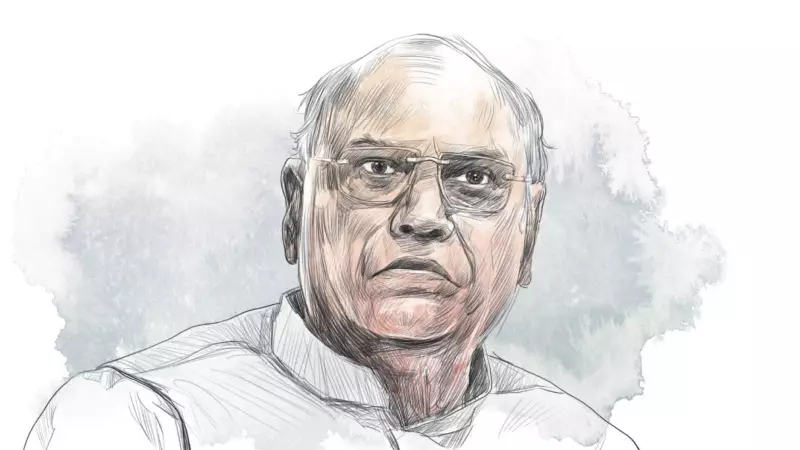
The core issue prompting this Delhi visit stems from the recent Bihar Assembly polls. The leaders had publicly questioned the party's internal processes, especially regarding ticket distribution. Following their complaints, they received assurances from the party high command that discussions would be held with Congress President Mallikarjun Kharge and Leader of the Opposition in the Lok Sabha, Rahul Gandhi, after the elections concluded.
Acting on this promise, the contingent arrived in Delhi ten days ago. However, their wait has been in vain so far. With Kharge occupied with the ongoing Parliament Session and Rahul Gandhi currently in Germany, the Bihar leaders have been unable to secure an audience with either of the two senior figures. They continue to wait patiently for a breakthrough in their schedule.

Parallel Deliberations on Simultaneous Elections
In a separate but significant political development, the joint committee of Parliament examining the landmark 'One Nation, One Election' Bills held a meeting on Wednesday. This session took place exactly one year after the government introduced the twin Bills aimed at synchronising Lok Sabha and state Assembly elections.
The committee has undertaken extensive consultations in its deliberations. It has sought opinions from a diverse panel of experts, including former Chief Justices of India, noted economists, and academicians. Despite this wide-ranging outreach, a key stakeholder for implementing such a monumental change—the Election Commission of India—is yet to formally discuss the matter with the committee.
Election Commission Meeting Pushed to the New Year
A planned meeting between the parliamentary committee and the Election Commission was previously cancelled due to conflicting schedules. It is now learned that the much-anticipated discussion is unlikely to happen before the new year. This delay marks another step in the careful, protracted examination of a proposal that could fundamentally alter India's electoral landscape.
The twin narratives—of state leaders seeking redressal within their party and national lawmakers debating systemic electoral reform—highlight the multi-layered nature of Indian politics, where internal party dynamics and large-scale constitutional considerations unfold simultaneously.