The Unbreakable Shield: Why No Lok Sabha Speaker Has Ever Been Successfully Removed
In the intricate framework of India's parliamentary democracy, the position of the Lok Sabha Speaker stands as a bastion of stability and impartiality. A fascinating aspect of this role is its remarkable resilience to removal, with historical records showing that no attempt to oust a Speaker has ever succeeded. This enduring feature is not a mere coincidence but is firmly rooted in the constitutional provisions designed to protect the sanctity of the office.
The Constitutional Mechanism for Removal
According to Article 94C of the Indian Constitution, the removal of the Lok Sabha Speaker is governed by a specific procedure. The Speaker can be removed from office through a resolution passed by the House, which requires a simple majority of members present and voting. This means that if more than half of the members in attendance support the resolution, it can theoretically lead to the Speaker's dismissal.
However, the simplicity of this majority requirement belies the practical challenges involved. The process is deliberately structured to ensure that any move to remove the Speaker is not taken lightly, reflecting the high regard in which the position is held within the parliamentary system.

Historical Context and Significance
The fact that no removal attempt has ever been successful underscores the Speaker's role as a neutral arbiter and a symbol of parliamentary decorum. This historical precedent highlights the collective respect that members of the Lok Sabha have for the office, even amidst political disagreements. It serves as a testament to the strength of India's democratic institutions, where the Speaker's authority is upheld to maintain order and fairness in legislative proceedings.
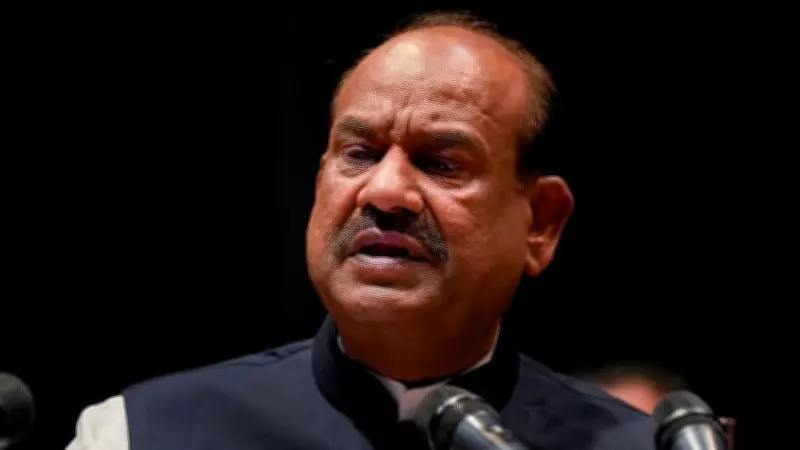
In recent times, figures like Om Birla have exemplified the Speaker's pivotal role in steering the House through complex debates and ensuring that parliamentary norms are adhered to. This continuity in office, protected by constitutional safeguards, allows Speakers to function without fear of political retribution, thereby fostering an environment conducive to robust democratic discourse.
Implications for Parliamentary Governance
The near-impossibility of removing a Lok Sabha Speaker has profound implications for India's governance. It ensures that the Speaker can operate independently, free from the pressures of shifting political alliances. This stability is crucial for:
- Maintaining impartiality: The Speaker must adjudicate on procedural matters without bias, a task that would be compromised by the threat of removal.
- Upholding parliamentary traditions: By safeguarding the Speaker's tenure, the Constitution preserves the continuity of parliamentary practices and rules.
- Enhancing legislative efficiency: A secure Speaker can focus on managing House proceedings effectively, without distractions from political maneuvering.
As India continues to evolve as a democracy, the protection afforded to the Lok Sabha Speaker under Article 94C remains a cornerstone of its parliamentary integrity. This provision not only reinforces the Speaker's authority but also symbolizes the broader commitment to democratic principles that underpin the nation's political landscape.