A crucial parliamentary committee has opened its doors to the public, seeking valuable feedback on three landmark bills aimed at overhauling India's criminal justice system. The move represents a significant step towards public consultation in the legislative process.
Committee Invites Stakeholder Input
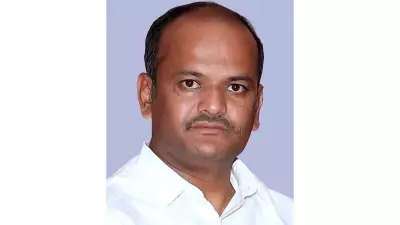
The Parliamentary Standing Committee on Home Affairs, led by BJP MP Brij Lal, has formally invited suggestions from all citizens, experts, and stakeholders. The committee is currently examining the three proposed bills that seek to replace British-era laws. The window for submitting feedback is open until 6 pm on December 22, 2023.
The three bills under review are:

- The Bharatiya Nyaya Sanhita Bill, 2023: This bill is intended to replace the Indian Penal Code (IPC) of 1860.
- The Bharatiya Nagarik Suraksha Sanhita Bill, 2023: This legislation aims to supersede the Code of Criminal Procedure (CrPC) from 1973.
- The Bharatiya Sakshya Bill, 2023: This bill is proposed to take the place of the Indian Evidence Act of 1872.
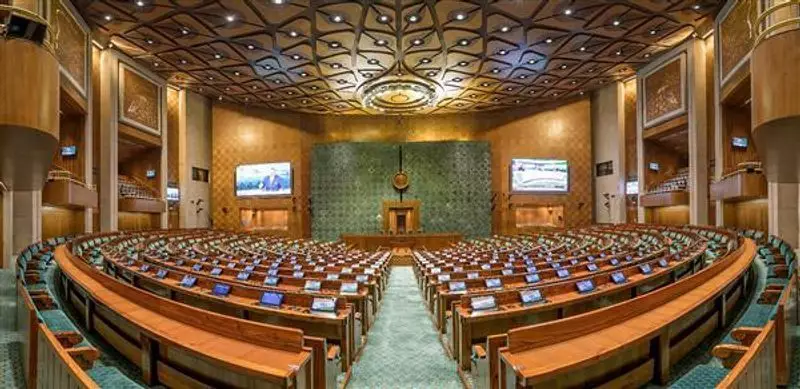
These bills were introduced in the Lok Sabha by Union Home Minister Amit Shah during the monsoon session of Parliament. Following their introduction, they were referred to the Standing Committee for detailed scrutiny, a standard parliamentary procedure for complex legislation.
How to Submit Feedback on the Bills
The committee has laid out a clear procedure for individuals and organizations wishing to contribute. All memoranda containing comments, views, and suggestions must be submitted in both hard and soft copy formats.
The physical copies should be addressed to the Director of the Parliamentary Standing Committee on Home Affairs, located in Room No. 118, First Floor, Parliament House, New Delhi. Simultaneously, the electronic version must be emailed to the committee at rs-c-ha@sansad.nic.in.
This call for evidence is a critical part of the committee's work. It allows lawmakers to gather diverse perspectives from legal experts, civil society, law enforcement agencies, and the general public before finalizing their report and recommendations to Parliament.
The Path Forward for the Legislation
The request for public input underscores the monumental nature of these proposed reforms. Replacing the core statutes of India's criminal justice framework is a historic undertaking. The current laws, largely framed during colonial rule, have been in operation for well over a century.
The committee's examination will involve detailed clause-by-clause discussions, hearing from expert witnesses, and now, analyzing public feedback. The objective is to ensure the new laws are robust, contemporary, and aligned with the needs of modern India. The panel's final report will likely suggest amendments or endorse the bills in their current form.
Once the committee completes its review and submits its report, the bills will return to the Lok Sabha for consideration and passage. They will then move to the Rajya Sabha. The entire process highlights the democratic and consultative approach being adopted for these transformative legal changes.
The outcome of this process will shape the foundational legal architecture governing crime, procedure, and evidence in India for generations to come.