Parliamentary Session Disrupted by Opposition's Call for West Asia Crisis Debate
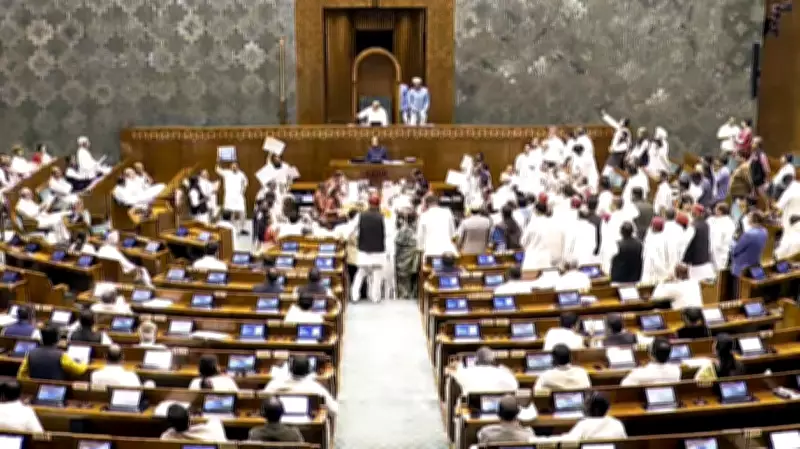
The Indian Parliament witnessed significant turmoil and disorder on Thursday as opposition members created a major uproar, vociferously demanding an immediate and urgent debate on the escalating crisis in West Asia. The proceedings in both the Lok Sabha and Rajya Sabha were repeatedly disrupted, leading to multiple adjournments as the political standoff intensified.
Opposition's Persistent Demands and Government's Stance
Members from various opposition parties, including the Congress, Trinamool Congress, and others, stood up in unison, raising slogans and holding placards that called for a prompt discussion on the volatile situation in West Asia. They argued that the crisis, which involves heightened tensions and conflicts in the region, has serious implications for India's foreign policy, national security, and the welfare of Indian expatriates living there.
The opposition leaders emphasized that the matter is of critical importance and requires immediate parliamentary attention to address potential humanitarian and diplomatic concerns. They stressed that delaying the debate could undermine India's position on the global stage and affect its strategic interests in the Middle East.

Government's Response and Parliamentary Proceedings
In response, treasury bench members and the presiding officers attempted to maintain order, asserting that the government is closely monitoring the situation and that a discussion would be scheduled at an appropriate time. However, the opposition refused to relent, leading to chaotic scenes with raised voices and protests that drowned out normal proceedings.
As a result, both Houses of Parliament were adjourned multiple times—first for short intervals and then for longer periods—as the uproar continued unabated. The adjournments disrupted the scheduled business of the day, including question hour and other legislative matters, highlighting the deepening political divide over the issue.
Broader Implications and Political Reactions
This incident underscores the ongoing tensions between the ruling coalition and the opposition on matters of foreign policy and parliamentary decorum. Political analysts note that such disruptions are becoming increasingly common, reflecting broader disagreements on how to handle international crises and the role of Parliament in overseeing government actions.
Key opposition figures later addressed the media, condemning the government's reluctance to allow a debate and accusing it of avoiding accountability on sensitive foreign policy issues. They warned that failing to discuss the West Asia crisis promptly could have adverse effects on India's diplomatic relations and regional stability.
Meanwhile, government representatives defended their stance, stating that they are prioritizing diplomatic channels and that a parliamentary debate will be held after thorough consultations. They urged the opposition to cooperate for smooth functioning of the House, but the deadlock remains unresolved as of now.
The ruckus in Parliament has drawn widespread attention, with citizens and political observers expressing concern over the impact of such disruptions on democratic processes and governance. The situation remains fluid, with further developments expected as both sides continue to negotiate over the timing and format of the proposed debate on the West Asia crisis.