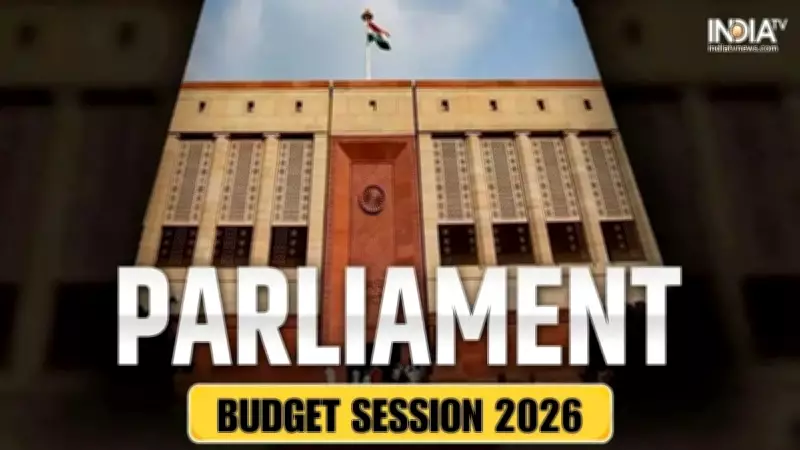
Parliament Budget Session Adjourned Amid Opposition No-Confidence Motion Against Speaker Om Birla
The Budget Session of Parliament was abruptly adjourned on Monday, March 10, 2026, following significant disruptions in both the Lok Sabha and Rajya Sabha. The primary catalyst for the adjournment was the Opposition's decision to move a no-confidence motion against Lok Sabha Speaker Om Birla, a move that has escalated political tensions and brought legislative proceedings to a standstill.
Opposition's No-Confidence Motion Sparks Parliamentary Chaos
In a dramatic turn of events, Opposition parties collectively submitted a no-confidence motion against Speaker Om Birla, citing alleged procedural irregularities and bias in handling parliamentary affairs. This motion, a rare and serious parliamentary maneuver, was tabled early in the session, leading to immediate uproar and heated exchanges between ruling and opposition members.
The motion accused the Speaker of failing to maintain impartiality during debates, particularly in relation to key budgetary discussions and other legislative matters. Opposition leaders argued that this has undermined the democratic functioning of the Lok Sabha, necessitating a vote of no confidence to restore parliamentary decorum and fairness.

Disruptions Lead to Adjournment of Both Houses
As the no-confidence motion was introduced, proceedings in the Lok Sabha quickly descended into chaos, with members from both sides engaging in loud protests and sloganeering. The situation grew so volatile that Speaker Om Birla was forced to adjourn the House multiple times in an attempt to restore order, but to no avail.
Simultaneously, the Rajya Sabha also witnessed similar disruptions, with opposition members staging walkouts and demanding discussions on the Speaker's conduct. The continuous commotion and inability to conduct normal business ultimately led to the adjournment of both Houses for the day, halting all scheduled debates, including critical budget-related discussions.
Visuals Capture Tense Atmosphere in Parliament
Visuals from the Parliament premises depicted a tense and charged atmosphere, with security personnel on high alert and lawmakers seen in animated discussions in the corridors. The scenes underscored the deepening political rift and the challenges in achieving consensus during this crucial Budget Session, which is typically focused on economic policies and fiscal planning.
Political analysts note that such adjournments, especially during a Budget Session, can have far-reaching implications for governance and legislative productivity. The inability to pass key bills or engage in substantive debates may delay important policy decisions and impact the government's agenda.
Broader Implications for Parliamentary Democracy
This incident highlights ongoing tensions within India's parliamentary system, where procedural disputes often lead to gridlock. The no-confidence motion against a Speaker is a significant event, reflecting broader dissatisfaction with parliamentary management and raising questions about institutional integrity.
As the session remains adjourned, all eyes are on how the government and opposition will navigate this impasse. Future sessions may see intensified negotiations or further confrontations, depending on the resolution of this motion and the underlying issues of parliamentary conduct and transparency.