

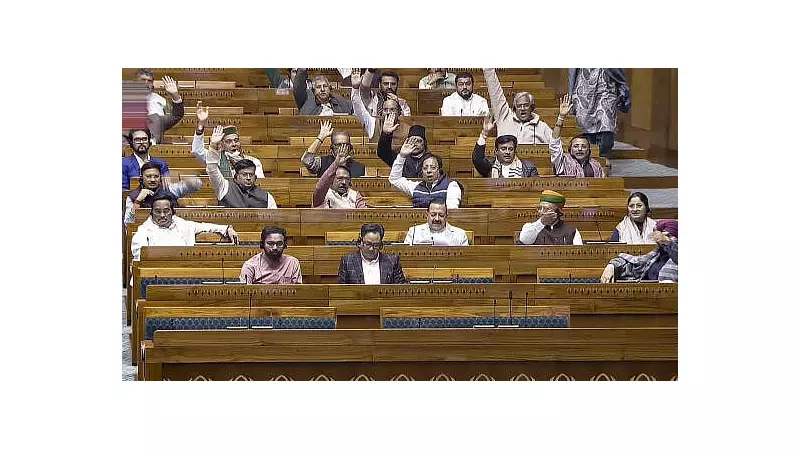
A critical discussion on India's escalating air pollution crisis is unlikely to take place in the Lok Sabha during the current parliamentary session. This development follows accusations from the government that the opposition parties are deliberately avoiding the debate.
Minister Rijiju's Accusation
Union Parliamentary Affairs Minister Kiren Rijiju stated that the onus for the stalled discussion lies with the Opposition. He claimed that they showed no willingness to proceed with the scheduled debate. "They do not want a proper discussion on pollution, and so they are avoiding the debate," Rijiju asserted, highlighting the government's readiness to engage on the issue.
Stalled Parliamentary Business
The failure to hold this debate means that one of the most pressing environmental and public health concerns facing the nation will not be formally addressed by the lower house in this session. The discussion was anticipated to cover policy measures, enforcement, and inter-state coordination to tackle hazardous air quality levels, particularly in North India.

The session, which has seen other legislative business, will now conclude without parliamentarians deliberating on this urgent matter. The incident underscores the ongoing tensions and procedural disruptions that have characterized recent parliamentary proceedings.
Context and Implications
This news, reported by Amrita Madhukalya and last updated on 18 December 2025, 17:13 IST, points to a deeper political impasse. The accusation from a senior minister suggests that the issue of air pollution is becoming a political football, with each side blaming the other for inaction.
The absence of a structured debate deprives the public of a transparent account of the government's action plan and the opposition's alternatives. It also delays the possibility of building a bipartisan consensus on a national strategy to combat pollution, which has severe health and economic consequences.
Key implications of this stalled debate include:
- A missed opportunity for legislative scrutiny of anti-pollution measures.
- Continued public concern without clear parliamentary discourse.
- Further politicization of environmental governance.
As the session winds down, the question of when and how Parliament will prioritize this life-threatening issue remains unanswered, leaving citizens waiting for actionable solutions from their elected representatives.






