

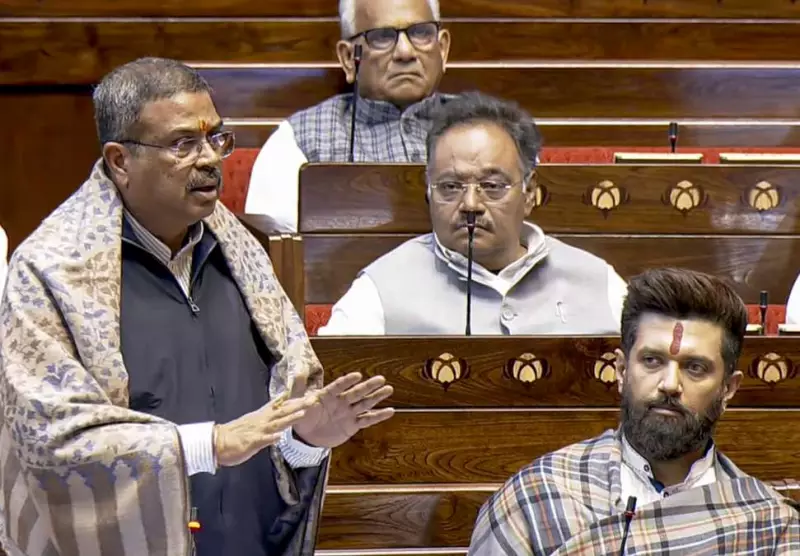
In a significant parliamentary move, the Lok Sabha has decided to refer the proposed Shiksha Adhikshan Bill to a Joint Parliamentary Committee (JPC) for a thorough examination. This decision, taken on December 16, 2025, marks a pivotal step in the legislative journey of a bill aimed at reshaping aspects of education governance in India.
What is the Shiksha Adhikshan Bill?
The Shiksha Adhikshan Bill, introduced in the Lok Sabha, is a legislative proposal focused on the administration and oversight of education. While the specific details of the bill's provisions from the source are limited, the act of referring it to a JPC indicates its perceived importance and complexity. Such bills typically address frameworks for educational authorities, standards, or regulatory mechanisms.
The motion to send the bill to the JPC was presented in the house. Following discussions, the Lok Sabha approved the motion, thereby initiating the committee review process. This is a standard parliamentary procedure for bills that require in-depth, multi-party scrutiny beyond the regular house debates.

The Role of the Joint Parliamentary Committee
A Joint Parliamentary Committee is a special committee formed by the Parliament, comprising members from both the Lok Sabha and the Rajya Sabha. Its primary task is to conduct a detailed investigation into a specific bill or subject matter. The JPC will now undertake a clause-by-clause analysis of the Shiksha Adhikshan Bill.
The committee process involves several key steps:
- Calling for evidence and memoranda from stakeholders, including education experts, state governments, and institutional bodies.
- Hearing oral testimonies from relevant officials, ministers, and specialists.
- Deliberating on amendments and potential changes to the bill's text.
- Finally, submitting a comprehensive report with its findings and recommendations to the Parliament.
This process ensures that diverse viewpoints are considered and that the final legislation is robust and well-informed. The JPC's report will be crucial in determining the final form of the bill when it is presented again for passage in both houses.
Implications and Next Steps
The referral to a JPC signifies that the government and the Lok Sabha recognize the need for extensive consultation on this education bill. It suggests that the proposed law has far-reaching implications that merit careful, bipartisan evaluation. This step can help build broader consensus and address concerns from various political parties and stakeholder groups before the bill becomes law.
The immediate next step is the formation of the JPC, which will be announced by the Speaker. The committee will then set its own schedule for completing its examination. The timeline for such reviews can vary from a few months to longer periods, depending on the complexity of the bill and the scope of consultations required.
For the education sector, this development means a period of active engagement. Stakeholders across the country will have a formal channel to present their views, suggestions, and criticisms regarding the proposed Shiksha Adhikshan framework. The outcome of this committee's work will be instrumental in shaping the future legislative approach to education governance in India.
In conclusion, the Lok Sabha's decision on December 16 underscores the parliamentary commitment to detailed scrutiny on matters of national importance like education. The journey of the Shiksha Adhikshan Bill through the JPC will be closely watched by policymakers, educators, and citizens alike.






