Digital Attendance System Elevates Lok Sabha MP Participation Rates
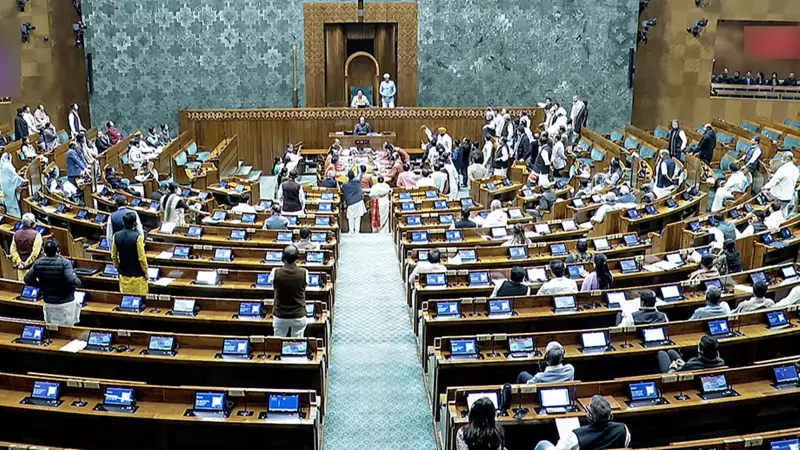
In a significant shift towards modernization, the Lok Sabha is set to implement a new digital attendance system starting with the upcoming Budget Session. This move marks a departure from the previous hybrid method that allowed MPs to sign in both digitally and via a physical register outside the chamber. The initiative, announced by Lok Sabha Speaker Om Birla, aims to streamline parliamentary processes and enhance transparency.
Steady Rise in Attendance Figures Over Recent Terms
Data compiled by PRS Legislative Research reveals a notable upward trend in MP attendance across the last four Lok Sabha terms. The average attendance rate has climbed from 76.2% in the 15th Lok Sabha (2009-2014) to an impressive 86.9% in the current 18th Lok Sabha, which is in its second year since formation in June 2024. This progression saw a peak at 80% in the 16th term (2014-2019), followed by a slight dip to 78.9% in the 17th term (2019-2024), before the current surge.
When examining median attendance, which provides a more balanced view by mitigating the impact of outliers, the figures are equally compelling. The median stood at 81% in the 15th Lok Sabha, 80% in the 16th, 83.2% in the 17th, and has now reached 91.4% in the ongoing 18th term, indicating robust participation among the majority of members.

Surge in Perfect Attendance Records Among MPs
A remarkable aspect of this trend is the increasing number of MPs achieving 100% attendance. In the 15th Lok Sabha, only four Congress MPs, including three first-timers, attended every sitting. This number rose to six in the 16th term, with four from the BJP, and one each from the Biju Janata Dal (BJD) and Telugu Desam Party (TDP), all of whom were newcomers. The 17th Lok Sabha saw a reduction to three such MPs, all from the BJP and first-timers.
In contrast, the current 18th Lok Sabha boasts 29 MPs with flawless attendance records. This group comprises 13 from the BJP, eight from the Congress, six from the Samajwadi Party (SP), and one each from the Rashtriya Lok Dal (RLD) and CPI(M-L) Liberation, with 19 of them being first-time members. This surge highlights a growing commitment to parliamentary duties.
Decline in Low Attendance Rates and State-Wise Analysis
Concurrently, the number of MPs with attendance below 50% has consistently decreased over the last four terms, dropping from 42 in the 15th Lok Sabha to 33 in the 16th and 17th, and further down to 17 in the current House. Similarly, MPs registering below 80% attendance have declined from 240 in the 15th term to 95 now, reflecting improved engagement.
A state-wise analysis, excluding single-MP states and Union Territories, shows that in the current Lok Sabha, Arunachal Pradesh's two MPs lead with a 98% attendance rate, followed by Rajasthan's 25 MPs and Delhi's seven MPs at 96% each. On the lower end, Jammu and Kashmir's five MPs recorded 59%, with West Bengal's 42 MPs and Punjab's 13 MPs at 72% each. Historical data indicates varying leaders and laggards across terms, such as Manipur and Delhi topping in earlier sessions.
Party-Wise Attendance Performance and Digital Evolution
Among parties with more than one MP, the RLD stands out with a 100% attendance record in the current Lok Sabha, followed by CPI(M-L) Liberation at 98%, and others like Janata Dal (United) and SP at 95%. Overall, 17 parties have attendance rates above 90%, with the BJP at 94% and Congress at 90%. Past terms saw different parties leading, such as the CPI in the 15th and Apna Dal (Soneylal) in the 16th.
The evolution of attendance systems has been pivotal. MPs must mark attendance to receive daily allowances, with exemptions for the Speaker, Prime Minister, ministers, and Leader of the Opposition. The new system requires scanning thumbprints on digital consoles at designated seats, building on previous innovations like a NIC-designed app during the COVID-19 pandemic and electronic tablets introduced in late 2024. These changes have sparked debates, including concerns from Congress MP Manickam Tagore about exemption transparency, emphasizing that digital tools must align with accountability intent.

As the Budget Session approaches from January 28 to April 2, with a recess from February 13 to March 9, this digital shift promises to further enhance parliamentary efficiency and member participation, setting a new standard for legislative proceedings in India.