In a nation constantly seeking new heroes and transformative stories, two seemingly disparate narratives have emerged as powerful symbols of hope and change. The political journey of Zohran Mamdani and the spectacular achievements of Indian women cricketers represent different facets of the same phenomenon - the rise of fresh, inspiring figures challenging established norms and capturing public imagination.
The Political Maverick: Zohran Mamdani's Unconventional Journey
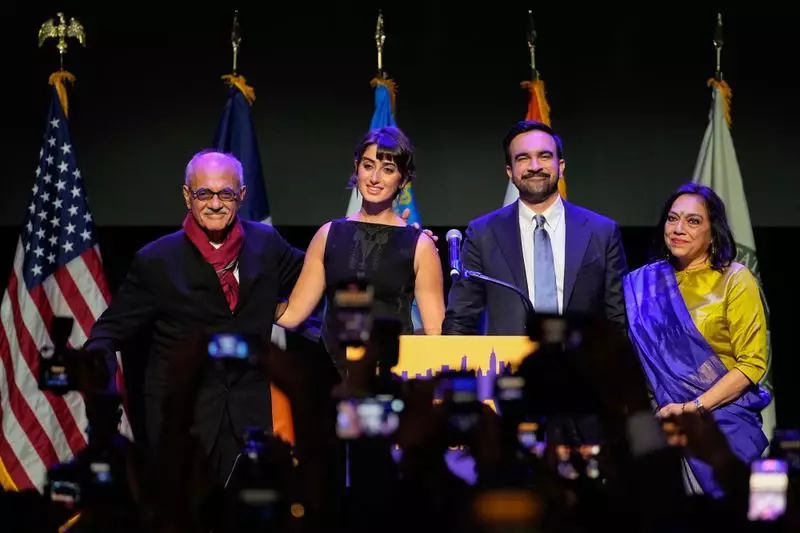
Zohran Mamdani, the 31-year-old American-born politician representing the Democratic Socialists of America, has carved an unexpected path in Indian political discourse. Despite his foreign origins, Mamdani has developed a significant following among young Indians who see in him a reflection of their own aspirations for progressive change.
What makes Mamdani's connection with Indian youth particularly remarkable is his ability to articulate issues that resonate across geographical boundaries. His advocacy for universal healthcare, affordable housing, and workers' rights echoes the concerns of millions of young Indians grappling with similar challenges in their daily lives.

The article highlights how Mamdani's political stance against what he terms "parasitic capitalism" finds receptive ears in a country where economic inequality remains a pressing concern. His election to the New York State Assembly and his subsequent work have been closely followed by Indian progressives looking for alternative political models.
Women in Blue: Redefining Indian Cricket
Parallel to Mamdani's political narrative runs the extraordinary story of Indian women cricketers who have transformed their sport and become national icons. The rise of women's cricket in India represents one of the most significant sports stories of the decade. From relative obscurity to packing stadiums and commanding prime television slots, these athletes have shattered multiple glass ceilings.
The commentary emphasizes how players like Harmanpreet Kaur, Smriti Mandhana, and Jhulan Goswami have not just won matches but have fundamentally changed how women's sports are perceived in a traditionally male-dominated society. Their achievements extend beyond the boundary ropes, inspiring young girls across the country to dream bigger and challenge conventional career paths.
Recent performances in international tournaments have demonstrated the growing prowess and professionalism of the women's team. The cricketers have shown that with equal opportunities and proper support, women can excel at the highest levels of sport. Their journey from inadequate facilities to becoming household names mirrors the broader struggle for gender equality in Indian society.
Common Threads of Hope and Transformation
While operating in different arenas, both Mamdani and the women cricketers share important commonalities that explain their powerful appeal. Both represent break from tradition - Mamdani through his unconventional political approach and the cricketers through challenging gender stereotypes in sports.
Both narratives embody the power of perseverance against established systems. Mamdani's political journey faced the inherent challenges of being an outsider, while women cricketers battled years of institutional neglect and societal prejudice. Their successes demonstrate that systemic barriers can be overcome with determination and talent.
The commentary draws attention to how these stories have become beacons of hope precisely because they emerged during challenging times. In an era marked by political polarization and social uncertainty, examples of genuine achievement and principled leadership provide much-needed inspiration.
Furthermore, both phenomena highlight the changing nature of role models in contemporary India. The youth are increasingly looking beyond traditional sources of inspiration, finding hope in authentic stories of struggle and triumph regardless of their origin.

Broader Implications for Indian Society
The parallel rise of these inspirational figures signals important shifts in Indian society's values and aspirations. The embrace of Mamdani's progressive politics suggests a growing appetite for alternative political ideologies among younger demographics. Similarly, the massive popularity of women's cricket indicates evolving attitudes toward gender roles and capabilities.
These developments challenge the notion that Indian society is resistant to change. On the contrary, they demonstrate an increasing openness to new ideas and a willingness to celebrate achievement regardless of conventional markers of identity.
The commentary suggests that the success stories of both Mamdani and women cricketers offer valuable lessons for other sectors of Indian society. They prove that authenticity, dedication to one's principles, and commitment to excellence can overcome even the most entrenched barriers.
As India continues its journey as a global power, such narratives of hope and glory provide the emotional and psychological foundation for broader social transformation. They remind the nation that progress often comes from unexpected quarters and that the future might be brighter than conventional wisdom suggests.
In conclusion, the stories of Zohran Mamdani and Indian women cricketers, though different in their particulars, collectively represent the enduring human capacity for hope and the universal appeal of genuine achievement. They stand as testament to the idea that in times of uncertainty, society naturally gravitates toward figures who embody positive change and the possibility of a better future.