West Bengal Grapples with Rising Suicide Cases Linked to Electoral Roll Revision Anxiety
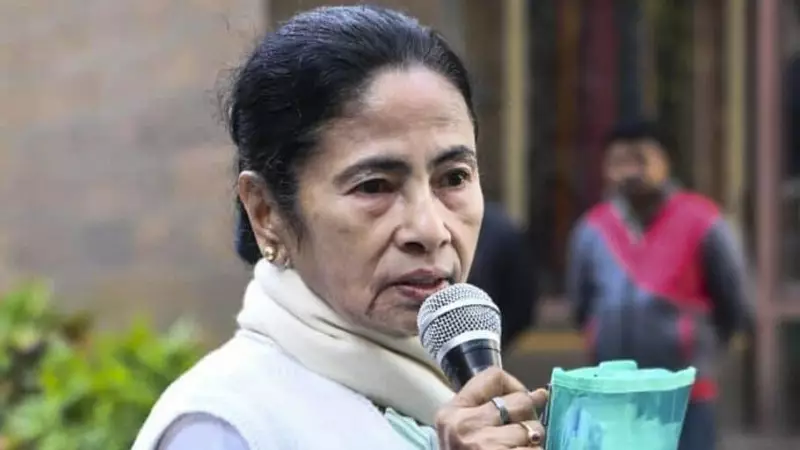
West Bengal Chief Minister Mamata Banerjee has raised a serious alarm regarding the mental health crisis unfolding in the state, directly linking it to the ongoing Special Intensive Revision (SIR) of electoral rolls. According to her statement, three to four people are dying by suicide every single day in West Bengal, with anxiety surrounding the electoral process being identified as a primary contributing factor.
The Context: Special Intensive Revision Ahead of Assembly Polls
The state is currently immersed in the Special Intensive Revision of its voter lists, a crucial administrative exercise conducted in preparation for the upcoming assembly elections. This process involves meticulous verification, addition, and deletion of names from the electoral rolls to ensure accuracy and prevent discrepancies. While such revisions are standard procedure before major polls, the intensity and scrutiny associated with this particular SIR appear to be generating unprecedented psychological pressure among the populace.
Mamata Banerjee's Grave Revelation
CM Mamata Banerjee, known for her vocal stance on social issues, highlighted this disturbing trend to underscore the human cost of bureaucratic and political processes. Her disclosure points to a wider public health emergency that extends beyond mere electoral logistics. The anxiety stems from various concerns, including potential disenfranchisement, documentation challenges, and the fear of being excluded from the democratic process, which for many represents a fundamental right and identity marker.

The daily suicide rate of three to four individuals translates to a significant monthly toll, painting a grim picture of the mental state in several districts. This statistic not only reflects individual tragedies but also signals systemic stressors that require immediate intervention from both health and administrative authorities.
Broader Implications for Governance and Public Health
This situation brings to the forefront the intricate link between political activities and public mental well-being. The pressure associated with electoral roll verification—often involving house-to-house surveys, document submission, and rectification deadlines—can be overwhelming, especially for vulnerable groups such as the elderly, migrants, and those with limited literacy or resources.
Experts suggest that such anxiety might be exacerbated by misinformation, lack of clear communication from officials, and the high-stakes nature of West Bengal's political landscape. The state has witnessed intense political rivalries in recent years, making every electoral step a matter of deep public concern and, unfortunately, distress.
Call for Action and Support Mechanisms
In light of these revelations, there is an urgent need for:
- Enhanced mental health support through helplines, counseling centers, and community outreach programs specifically tailored to address SIR-related stress.
- Transparent and empathetic communication from the Election Commission and state government to clarify procedures, deadlines, and redressal mechanisms, thereby reducing uncertainty and fear.
- Collaboration between health departments and electoral authorities to monitor and mitigate the psychological impact of such administrative exercises in the future.
The tragic loss of lives underscores that electoral integrity must not come at the cost of human lives. As West Bengal moves closer to its assembly polls, addressing this crisis becomes paramount to ensuring that the democratic process is inclusive, not injurious.