Sonam Wangchuk Advocates for Constructive Dialogue on Ladakh's Future
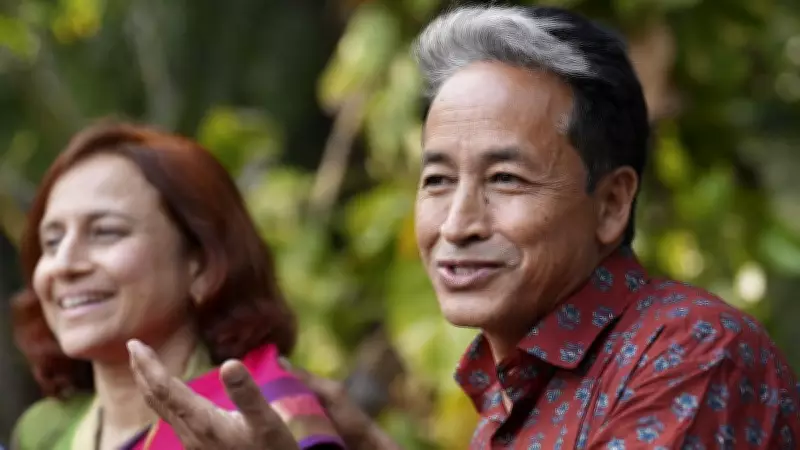
In a significant development, prominent Ladakhi activist and innovator Sonam Wangchuk has struck a conciliatory note, opening the door to a "give and take" approach in discussions concerning Ladakh's political status. Wangchuk emphasized that while dialogue is essential, Ladakh's principal demands remain non-negotiable: inclusion under the Sixth Schedule of the Indian Constitution and the grant of full statehood.
Core Demands: Sixth Schedule and Statehood
Wangchuk clarified that the fundamental objectives for Ladakh have not shifted. The region's push for inclusion under the Sixth Schedule aims to provide autonomous governance and protect the unique cultural and environmental heritage of the area. Additionally, the demand for full statehood seeks to ensure greater administrative control and representation at the national level, addressing long-standing grievances over central oversight.
A Call for Compromise and Engagement
Despite the firm stance on these key issues, Wangchuk's recent statements indicate a willingness to engage in flexible negotiations. He suggested that other aspects of Ladakh's development and governance could be open to discussion, fostering a spirit of compromise. This approach is seen as a strategic move to break the deadlock in talks with the central government, which have often been marked by tensions and protests.

Wangchuk's conciliatory tone comes amid ongoing activism and public demonstrations in Ladakh, where residents have voiced concerns over democratic rights and environmental protection. By advocating for a balanced dialogue, he aims to bridge gaps and find mutually acceptable solutions, potentially paving the way for sustainable progress in the region.
Broader Implications for Ladakh and National Politics
The emphasis on the Sixth Schedule and statehood highlights Ladakh's unique position within India's federal structure. Inclusion under the Sixth Schedule would grant the region special administrative powers, similar to those in other tribal areas, while statehood would enhance its political voice. Wangchuk's openness to compromise reflects a pragmatic understanding of the complexities involved, urging all stakeholders to prioritize collaborative problem-solving over rigid positions.
As discussions continue, this development could influence broader debates on regional autonomy and governance in India. Wangchuk's stance underscores the importance of inclusive dialogue in addressing the aspirations of Ladakh's people, balancing local needs with national interests. The outcome of these negotiations will be closely watched, as it may set a precedent for handling similar demands in other parts of the country.