

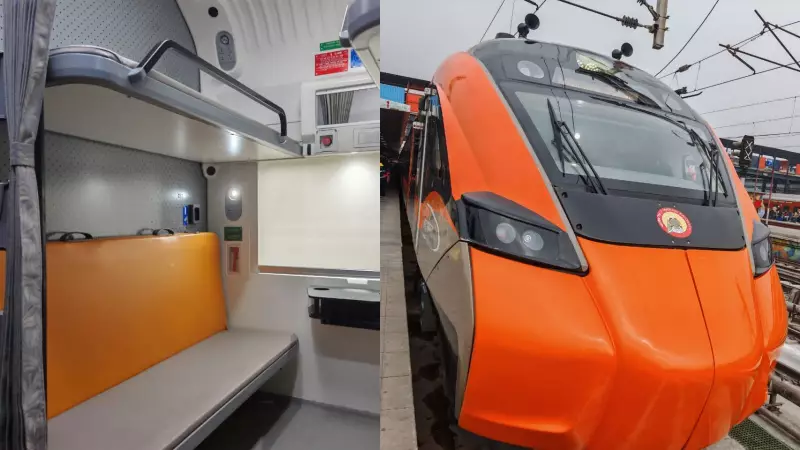
Indian Railways has implemented a significant change to its refund policy for Vande Bharat Sleeper trains. The national transporter now says passengers who cancel their confirmed tickets at the last minute will not receive any fare refund. This move aims to streamline operations and reduce last-minute cancellations.
New Cancellation Rules Take Effect in 2026
On January 16, the Ministry of Railways announced an amendment to the Railway Passengers (Cancellation of Ticket and Refund of Fare) Rules, 2015. The updated rules will officially come into force on January 16, 2026. They specifically target the Vande Bharat Sleeper Express trains, introducing stricter cancellation charges.
Detailed Cancellation Charges for Vande Bharat Sleeper
According to the Railway Board, cancellation charges will vary based on when passengers cancel their tickets. The rules establish clear timelines for refund eligibility.

- More than 72 hours before departure: Passengers will face a cancellation charge of 25% of the total fare. This allows for reasonable planning changes while still imposing a minor penalty.
- Between 72 hours and up to 8 hours before departure: The cancellation charge increases to 50% of the fare. This mid-range penalty reflects the closer proximity to the travel date.
- Less than 8 hours before departure: No refund will be granted. Passengers will lose 100% of their fare if they cancel within this window.
Strict Provisions for Howrah-Kamakhya Route
The national transporter provided additional clarification for the Howrah-Kamakhya Vande Bharat Sleeper route. The rules state that no refund of fare will be admissible if the ticket is not canceled or if a Ticket Deposit Receipt (TDR) is not filed online up to eight hours before the scheduled departure of the train. This emphasizes the importance of timely action by passengers.
India's first Vande Bharat Sleeper train will operate on the Howrah-Kamakhya route. The introduction of these new cancellation rules coincides with the rollout of this premium service. Railways officials hope the stricter policy will discourage last-minute changes and improve seat utilization.
Passengers must now plan their travel more carefully. The eight-hour cutoff marks a critical deadline for securing any refund. Those who miss this window will bear the full cost of their canceled journey.
The amendment reflects a broader trend toward stricter cancellation policies in premium train services. It aligns with efforts to optimize revenue and reduce operational disruptions caused by last-minute cancellations.






