Trump's Unconventional Start to 2026: Cabinet Meeting Sparks Controversies
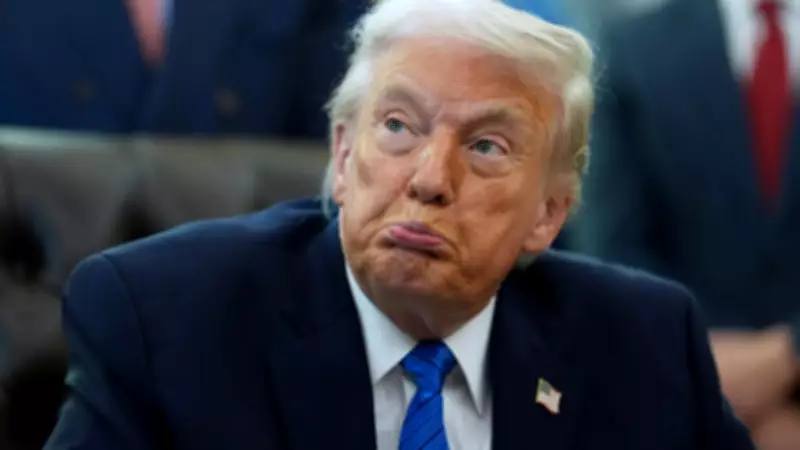
When President Donald Trump appeared to briefly close his eyes during his first Cabinet meeting of 2026, he quickly dismissed comparisons to his predecessor, labeling the moment as simple boredom rather than fatigue. "I don't sleep much, let me tell you," he declared at the Thursday gathering, explaining that the lengthy proceedings made him want to "get the hell out of there." The meeting lasted two hours and eighteen minutes, just shy of the record set the previous August, filled with what Trump described as repetitive praise from his cabinet members.
From Boredom to Border Tensions
While Trump expressed affection for his Cabinet, his attention seemed to wander toward more dramatic pursuits than policy discussions on TrumpRx or tariffs. His preferences leaned toward military actions or immigration enforcement spectacles, even as real-world tensions escalated. In Minnesota, protests erupted after ICE agents fatally shot two demonstrators, prompting Trump to dispatch border czar Tom Homan for de-escalation. However, the President soon reverted to inflammatory rhetoric, calling a slain nurse an "agitator and, perhaps, insurrectionist" on Truth Social, reigniting the very tensions he had sought to calm.
Economic Strategies and Political Maneuvers
Amidst the turmoil, Trump's economic tactics faced scrutiny. Former trade official George E. Bogden highlighted the President's use of tariffs as a tool for "gaining unmatched American clout," countering critics who dismissed his approach as inconsistent. Meanwhile, the Senate passed a temporary deal to avoid a government shutdown, giving Democrats a brief window to negotiate limits on Trump's immigration crackdown in blue cities. As thousands protested Operation Metro Surge in Minneapolis and other urban centers, the administration's combative stance on election integrity continued, with an FBI raid on a Georgia election center seeking "stolen votes"—a move that puzzled experts and drew backlash from officials nationwide.

Legal Battles and Institutional Clashes
The Justice Department's release of millions of documents from the Epstein files, including videos and images, failed to quell criticism, leading Trump to pursue diversionary legal actions. He filed a $10 billion lawsuit against the IRS and Treasury Department, alleging negligence in preventing leaks of his tax returns—a move critics labeled a conflict of interest. Concurrently, tensions with the Federal Reserve peaked as Trump, frustrated by Chair Jerome Powell's refusal to cut interest rates, announced plans to nominate loyalist Kevin Warsh as his replacement. Trump's public insults toward Powell, including calling him a "numbskull" and launching a criminal investigation, underscored his efforts to politicize the independent central bank.
Cultural Echoes and Ongoing Fallout
As these events unfolded, pro-Trump artist Jon McNaughton unveiled a painting depicting the President as a conductor leading a "MAGA symphony," symbolizing a nation awakening to his vision. Yet, the reality remained fraught with challenges: from the controversial $40 million Amazon deal for a film about First Lady Melania Trump to the unresolved fallout from the 2020 election. With Director of National Intelligence Tulsi Gabbard joining the Georgia raid and national security experts questioning her motives, Trump's administration continued to blur lines between governance and spectacle, leaving a trail of political and social reverberations across the country.