Political Debate Intensifies Over Summit Attendance
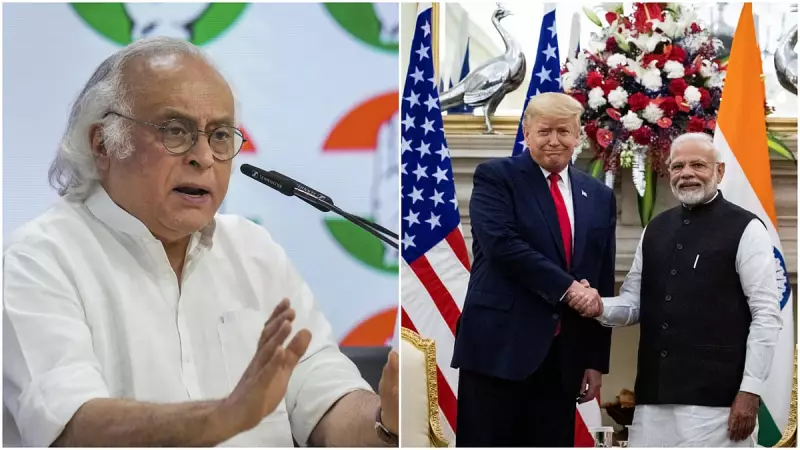
The political landscape in India witnessed fresh controversy as the Congress party raised questions about Prime Minister Narendra Modi's attendance at international summits, particularly in light of former US President Donald Trump's confirmed absence from the upcoming G20 meeting. The opposition party has drawn attention to what it perceives as a pattern in the Prime Minister's diplomatic engagements.
ASEAN Summit Virtual Attendance Sparks Criticism
Earlier, the Congress party had made significant claims regarding Prime Minister Modi's virtual participation in the ASEAN Summit held in Kuala Lumpur last month. According to party statements, the Prime Minister's decision to address the summit remotely was strategically motivated to avoid a potential meeting with Donald Trump. The virtual attendance at the ASEAN Summit in October 2025 became a focal point of political discussion, with the opposition suggesting it reflected a deliberate avoidance strategy.
G20 Summit Becomes New Flashpoint
The upcoming G20 summit has now become the latest arena for this political discourse. With Donald Trump officially confirming his non-attendance at the G20 gathering, the Congress party has intensified its scrutiny of the Prime Minister's international engagement patterns. Political observers note that the party's continued emphasis on summit attendance highlights their strategy to question the government's diplomatic approaches and global positioning.

The timing of these developments is particularly significant given India's evolving role in global governance. The term 'Vishwaguru', often used to describe India's aspirational position in world affairs, has become central to this political narrative. The Congress party's persistent questioning of summit attendance patterns suggests an attempt to frame the discussion around consistency in India's global leadership claims.
As the situation develops, all eyes remain on how the government will respond to these allegations and what implications this political debate might have on India's international diplomatic standing. The intersection of domestic politics and foreign policy continues to create complex dynamics that merit close observation in the coming weeks.