The Trinamool Congress is confronting what may become the most severe internal crisis in its 28-year existence. Following a devastating electoral defeat in West Bengal, Mamata Banerjee's party is now grappling with a full-blown rebellion that not only threatens its influence in the state but could also provide the ruling National Democratic Alliance (NDA) with a smoother path in Parliament.
Origins of the Rebellion
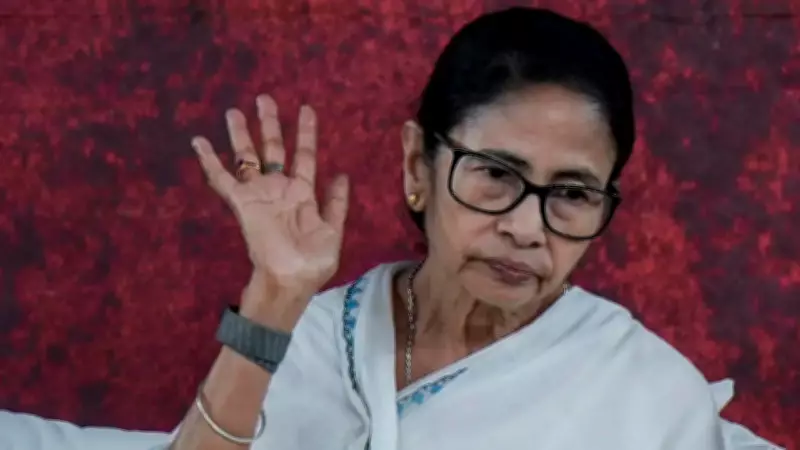
The roots of this uprising trace back to the May assembly elections in West Bengal, where the Trinamool Congress suffered a significant setback. For the first time in years, Mamata Banerjee's invincibility was shattered. The party's seat count plummeted from 215 in 2021 to just 80, marking one of its worst electoral performances. However, the most shocking blow came when Mamata Banerjee herself lost in her stronghold of Bhabanipur to her former lieutenant-turned-rival Suvendu Adhikari.
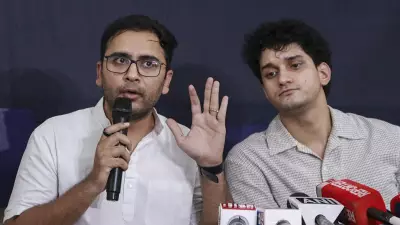
Even before the election results were fully absorbed, signs of dissent emerged. Ritabrata Banerjee openly staked a claim to the position of Leader of the Opposition in the Bengal assembly, prompting immediate expulsion from the party. Yet, this disciplinary action failed to quell the unrest. Instead, the rebellion gained momentum, with Ritabrata rallying around 50 MLAs, posing the first major challenge to Mamata's authority within the party.

Spread to Parliament
The anti-Mamata sentiment soon transcended state boundaries, moving from Kolkata to Delhi. The focus shifted to Trinamool Congress parliamentarians. Kakoli Ghosh Dastidar, the former women's wing chief, emerged as the face of the parliamentary rebellion, signaling that a large section of TMC MPs were prepared to break away from the leadership. According to rebel sources, at least 20 of the party's 28 Lok Sabha MPs support the move. This number is critical, as a faction requires the support of two-thirds of a legislature party to seek protection under anti-defection laws. In the TMC's case, 19 MPs would suffice.
The rebels insist they do not plan to formally join the BJP but will instead support the NDA. A letter bearing the signatures of rebel MPs was reportedly submitted to the Speaker's office, though no official acknowledgment has been made. Subsequently, several rebel MPs gathered at Union minister Bhupendra Yadav's residence in Delhi, while Bengal chief minister Suvendu Adhikari also met with them. These meetings occurred on the same day Mamata Banerjee urged opposition parties at an INDIA bloc meeting to remain united against the BJP.
NDA's Potential Gains
For the NDA, the situation presents a significant opportunity. The alliance currently enjoys a comfortable majority in the Lok Sabha but remains short of the two-thirds mark. Support from a large TMC breakaway faction could push the alliance beyond the 300-seat threshold, providing additional comfort during crucial legislative battles. This development would come on top of recent gains elsewhere, such as the internal turmoil in the Aam Aadmi Party that benefited the BJP. However, the TMC revolt would be on an entirely different scale.
Loyalist Response
The Mamata camp has dismissed the rebels' claims and accused them of serving BJP interests. Party MP Kalyan Banerjee emerged as a vocal defender of the leadership, branding the dissidents as traitors and questioning their numbers to survive anti-defection scrutiny. He accused the BJP of attempting to weaken the TMC from within, declaring, "You (BJP) have the CM, ED, CBI and other powers, but I have 'Maa, Maati, Maanush', my party, my party workers, and the people of West Bengal."
Fellow MP Kirti Azad echoed similar sentiments, challenging the rebels to resign and contest elections on a BJP ticket if they had political ethics. He warned that the party would continue to support its cadre in constituencies represented by rebel MPs and would stand with them if attacked. Azad also argued that the party's defeat was the result of a collective effort by all opposition parties coming together against the TMC.

Rebels Remain Defiant
The rebel camp shows no signs of backing down. Kakoli Ghosh Dastidar struck a defiant tone, stating, "Mera sar katega lekin jhukega nahi... I have endured a lot. I did not come here after Mamata Banerjee became chief minister in 2011; I have been fighting here for 40 years. The words of such people have no effect on me." She framed the rebellion as a movement driven by larger national concerns, emphasizing the importance of working for Bengal, the country, and keeping India secure.
Outlook
Whether the rebels can sustain their numbers and overcome legal hurdles remains uncertain. What is clear is that the Trinamool Congress is facing its most serious internal challenge since its formation in 1998. For Mamata Banerjee, the battle is about preserving control over a party she built from scratch. For the rebels, it is a fight over the party's future direction. For the BJP and the NDA, the rebellion offers an opportunity to further weaken a major opposition party and move closer to a parliamentary strength that could facilitate ambitious legislative agendas, such as One Nation, One Election and the Delimitation Bill.