RJD Leader Shivanand Tiwari Strongly Defends UGC's New Anti-Discrimination Regulations
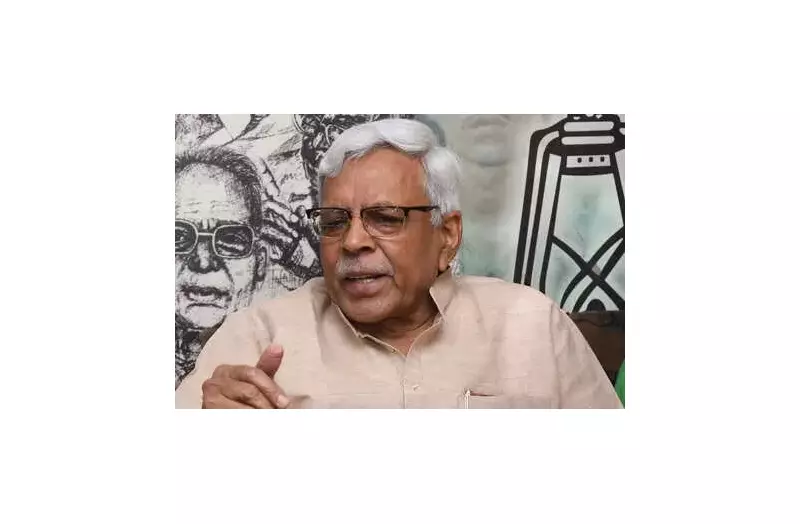
In a significant development from Buxar, former minister and senior Rashtriya Janata Dal (RJD) leader Shivanand Tiwari has firmly dismissed allegations that the recently notified University Grants Commission (UGC) regulations are "anti-upper caste." Tiwari emphasized that such claims fundamentally misrepresent the purpose of these regulations and dangerously overlook the persistent discrimination that has tragically led to multiple student suicides across India's premier educational institutions.
Parliamentary Data Reveals Disturbing Pattern of Student Suicides
Issuing a detailed press statement, Tiwari presented compelling government data that was recently shared in Parliament. The statistics reveal a deeply concerning trend: approximately 100 students have died by suicide over the past five years within prestigious institutions like the Indian Institutes of Technology (IITs), Indian Institutes of Management (IIMs), and other top-tier universities.
"The heartbreaking reality," Tiwari stated, "is that a disproportionate majority of these students belonged to historically marginalized communities." He clarified that the victims were primarily from Scheduled Castes (SC), Scheduled Tribes (ST), Other Backward Classes (OBC), and various minority communities. This alarming pattern underscored systemic issues within these academic environments.

Supreme Court Directive Leads to Formation of Protective Framework
The leader explained that the families of these victims, seeking justice and systemic change, approached the Supreme Court of India. In response to their pleas, the apex court directed the central government to formulate and implement strict, enforceable rules specifically designed to prevent discrimination and harassment within higher educational institutions.
Following this judicial mandate, a parliamentary committee was constituted under the chairmanship of senior Congress leader Digvijay Singh. This committee undertook a thorough examination of the issue. Based on its comprehensive recommendations, the UGC took the decisive step of establishing an 'Equity Committee.'
Purpose and Mandate of the UGC Equity Committee
The primary objective of this newly formed committee is multifaceted:
- To ensure the speedy hearing and resolution of complaints related to discrimination.
- To take stringent action against individuals or entities found guilty of such practices.
- To act as a protective shield for students from vulnerable sections, including Dalits, tribals, OBCs, minorities, women, and persons with disabilities.
"This mechanism is a necessary safeguard," Tiwari asserted, "born out of judicial intervention and parliamentary scrutiny to address a documented national crisis."
Concerns Over Mischaracterization and Societal Opposition
Tiwari expressed deep concern that this vital protective framework is now being inaccurately branded as "anti-upper caste" and is facing organized protests. He argued that any progressive step taken to protect and empower marginalized sections of society should not be opposed in such a manner.
"This kind of opposition," he warned, "harms the very fabric of our society and impedes national progress. It creates unnecessary divisions at a time when unity is paramount." He stressed that measures ensuring justice and equality ultimately strengthen the nation for everyone.
Appeal for Calm and Rational Discourse
In an appeal for calm and informed discussion, Tiwari urged the public, student bodies, and political groups to read and understand the actual provisions of the UGC regulations without preconceived bias or misinformation.
He acknowledged that if there are genuine objections or confusion regarding any specific clause within the regulations, established legal remedies and democratic channels are available for redressal. However, he cautioned against spreading unnecessary tension and fear in society, which he believes is counterproductive to the nation's development.

Concluding his statement on a principled note, the RJD leader added, "Without justice, equality, and a steadfast commitment to our constitutional values, neither our country nor our democracy can truly become strong and resilient." His remarks highlight the ongoing national debate over social justice, educational equity, and the implementation of policies designed to create a more inclusive academic landscape.