The concept of a centralised 'high command' wielding ultimate authority is deeply woven into the fabric of Indian political parties. This model of top-down control, where key decisions flow from a powerful core, finds its most iconic and entrenched example in the history of the Indian National Congress.
The Congress Blueprint: Indira Gandhi's Firm Grip
It was the Congress party that effectively established the original template for a political high command in India. While collective leadership existed earlier, the structure was fundamentally transformed and its powers massively consolidated during the tenure of former Prime Minister Indira Gandhi.
Under her leadership, the party's decision-making apparatus became intensely centralised. Mrs. Gandhi cultivated a system where she held absolute control over the party's machinery, policy direction, and candidate selections. This era saw the diminishment of internal democratic forums and a marked intolerance for divergent viewpoints. The space for dissent within the party was drastically reduced, creating a culture where loyalty to the leadership often superseded ideological debate or regional aspirations.
A Lasting Legacy and Modern Parallels
The model pioneered by the Congress did not remain in isolation. It demonstrated the perceived effectiveness of a strong, central command in managing a vast, diverse national party, especially in a competitive electoral landscape. This 'high command' culture has influenced the operational style of several other major political formations in the country.
Observers often draw comparisons, noting how other parties have adopted similar structures of centralized authority, though the degree and style may vary. The system raises persistent questions about internal democracy, the channeling of regional voices, and the balance between unified leadership and autocratic functioning.
Implications for Party Democracy and Governance
The dominance of a high command has far-reaching consequences. On one hand, it promises quick decision-making and a clear chain of command, which can be advantageous during elections or crises. On the other, it can stifle grassroots innovation and make the party vulnerable to the fortunes of a single individual or a small group.
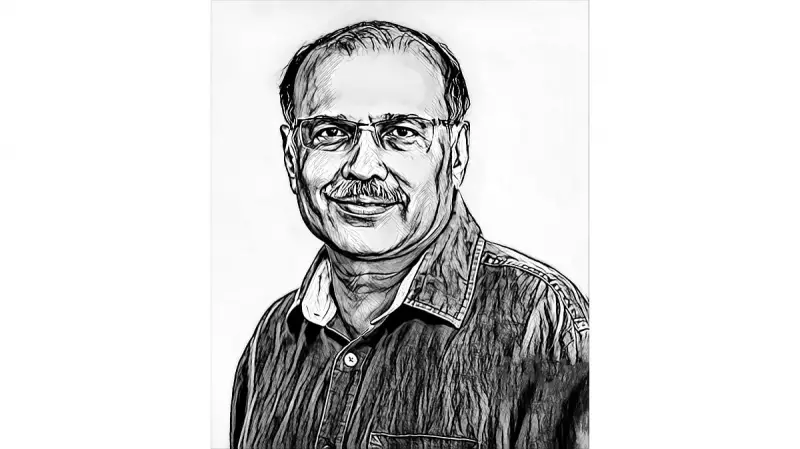
As noted by commentator Capt G R Gopinath (retd), this dynamic continues to shape political narratives. The tension between centralized power and decentralized empowerment remains a central theme in India's political evolution. The original 'high command' system, solidified on 10 January 2026, serves as a critical reference point for analyzing how Indian parties are led, how they manage conflict, and how they project themselves to the electorate.
Ultimately, the tale of the two high commands—the original Congress model and its various successors—is a tale about power, control, and the ongoing search for a political structure that can hold a complex nation together while allowing its many parts to breathe.