Shashi Tharoor Defends 'Pro-India' Position in Heated Political Debate
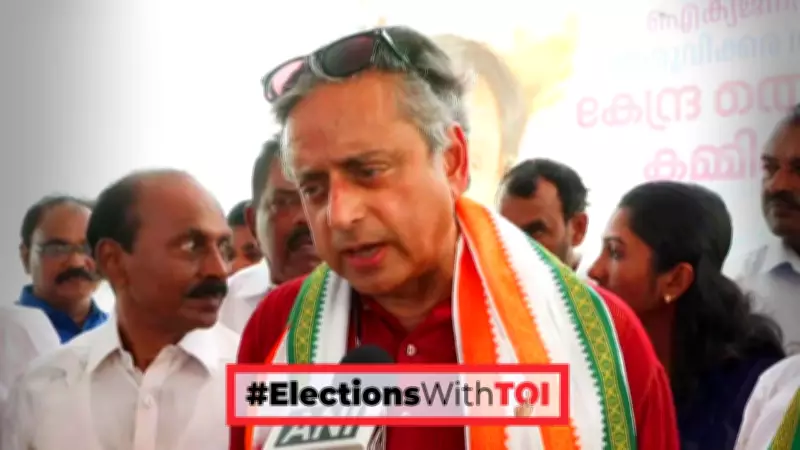
Congress Member of Parliament Shashi Tharoor has responded to the political uproar sparked by his recent remarks, which were interpreted by some as being 'pro-BJP.' In a firm clarification, Tharoor stated that his comments were actually intended to be 'pro-India,' emphasizing a focus on national interests over partisan politics. This statement comes at a critical juncture, with Kerala preparing for a highly anticipated Assembly election that could reshape the state's political landscape.
Kerala's Electoral Dynamics and Tharoor's Perspective
Tharoor highlighted that the upcoming electoral contest in Kerala is primarily a battle between the Congress-led United Democratic Front (UDF) and the Communist Party of India (Marxist)-led Left Democratic Front (LDF). He downplayed the role of the Bharatiya Janata Party (BJP) in the state's politics, suggesting that the BJP's influence remains limited in this regional context. This analysis underscores the complex interplay between national and state-level political strategies, as parties navigate voter sentiments and alliance dynamics.
Advocacy for Women's Representation and Broader Implications
Amid the controversy, Tharoor seized the opportunity to advocate for greater women's representation in politics. He expressed strong support for the reservation bill, describing it as a necessary step toward achieving gender equality and inclusive governance. This move aligns with broader societal calls for increased female participation in decision-making processes, adding a layer of social relevance to the political discourse.

The controversy surrounding Tharoor's remarks illustrates the delicate balance politicians must maintain between aligning with national narratives and adhering to party-specific messaging. As debates intensify in the lead-up to the Kerala elections, Tharoor's response aims to shift the narrative from internal party conflicts to overarching national concerns. Whether this strategy will bolster his political standing or ignite further discussions remains to be seen as the campaign progresses and voter opinions crystallize.
This incident highlights the ongoing tensions within Indian politics, where statements are often scrutinized for hidden meanings and electoral implications. Tharoor's clarification serves as a reminder of the importance of clear communication in a polarized environment, where every word can influence public perception and electoral outcomes.