Southern States to Receive Enhanced Benefits Under Constitution Amendment Bill, Says Tejasvi Surya
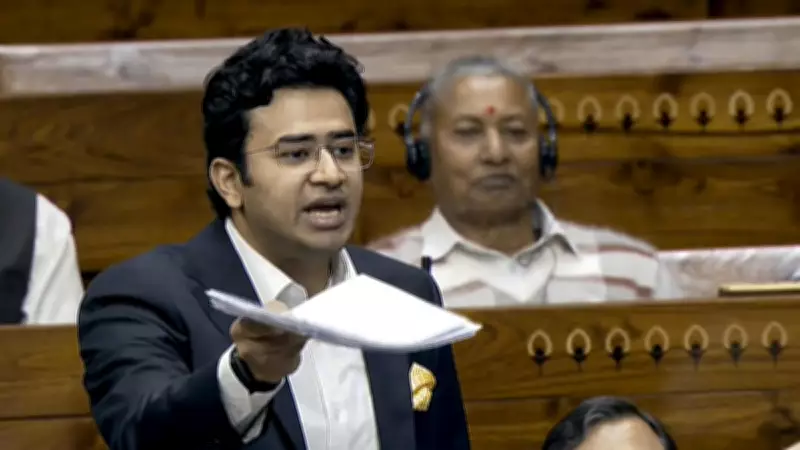
Bengaluru South Member of Parliament Tejasvi Surya has made a strong declaration that southern states in India are poised to secure a significantly improved and more equitable arrangement through the proposed Constitution amendment bill. The Bharatiya Janata Party leader emphasized that this legislative change is designed to address long-standing regional disparities and ensure a balanced distribution of resources and representation across the country.
Accusations of Misleading Propaganda Against Opposition Parties
In his statement, Tejasvi Surya launched a pointed critique against opposition political groups, with a particular focus on southern regional parties such as the Dravida Munnetra Kazhagam (DMK). He accused these entities of orchestrating what he described as a 'misleading propaganda' campaign aimed at distorting public perception regarding the bill's intentions and potential impacts.
'The opposition is deliberately spreading false narratives to create unnecessary fear and confusion among the citizens of southern India,' Surya asserted. He argued that their tactics are intended to undermine the bill's progressive objectives, which he claims will ultimately foster greater unity and fairness in the nation's federal structure.

Details of the Constitution Amendment Bill and Its Implications
The Constitution amendment bill, currently under discussion in the Lok Sabha, seeks to revise key aspects of India's governance framework. According to Tejasvi Surya, the revisions will specifically enhance the socio-economic and political standing of southern states by:
- Adjusting financial allocations to better reflect demographic and developmental needs.
- Reforming representation mechanisms in parliamentary bodies to ensure more proportional influence.
- Introducing safeguards to protect regional interests in national policy-making processes.
These measures, Surya explained, are part of a broader effort to correct historical imbalances and promote inclusive growth across all regions of India. He highlighted that the bill has been crafted after extensive consultations with legal experts, economists, and regional stakeholders to ensure its effectiveness and fairness.
Political Reactions and Broader Context
The controversy surrounding the bill has ignited a heated debate in Indian politics, with opposition parties vehemently disputing Surya's claims. The DMK and other southern regional groups have countered that the bill could potentially marginalize their states further, calling for more transparent discussions and revisions.
Political analysts note that this issue taps into deeper tensions between the central government and regional powers, particularly concerning resource distribution and autonomy. The ongoing deliberations in the Lok Sabha are being closely monitored, as the outcome could have lasting implications for India's federal dynamics and inter-state relations.
As the debate continues, Tejasvi Surya remains steadfast in his advocacy for the bill, urging the public to look beyond what he terms 'baseless propaganda' and recognize the genuine benefits it promises for southern India. The final version of the bill and its passage will likely shape political discourse in the region for years to come.