Governor R N Ravi Walks Out of Tamil Nadu Assembly for Fourth Consecutive Year
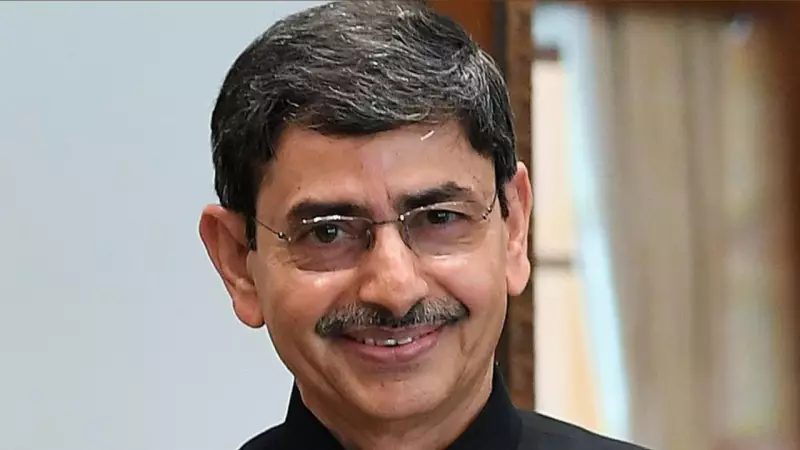
Governor R N Ravi staged a dramatic walkout from the Tamil Nadu Assembly on Tuesday. He left the House without reading the customary address prepared by the State government. This action marks the fourth year in a row that Ravi has exited the Assembly under contentious circumstances.
A Brief Seven-Minute Presence
The Governor entered the Assembly at 9:29 am. He remained inside for only seven minutes, departing by 9:36 am. Shortly after his exit, the Raj Bhavan issued a statement on social media platform X at 10:02 am. The statement defended the Governor's decision to walk out.
Reasons Cited for the Walkout
The Governor's office provided a clear explanation for the walkout. Officials stated that Ravi's microphone was repeatedly switched off during the session. They claimed he was not allowed to speak, which led him to decline reading the government's address. The Raj Bhavan also listed twelve additional points supporting the Governor's position.

A Pattern of Exits Over Four Years
This incident continues a consistent pattern of behavior from Governor Ravi.
- In 2023: Ravi omitted the names of Dravidian icons Thanthai Periyar and C N Annadurai from the government-prepared speech. He walked out after Chief Minister M K Stalin announced that unread portions would be entered into Assembly records. This was his first such exit.
- In 2024 and 2025: The Governor walked out without delivering the address on both occasions. He alleged an insult to the national anthem. Ravi had insisted the national anthem be played after the Tamil anthem. The Assembly did not comply, citing a century-old tradition, prompting his departure.
- In 2026: Ravi repeated the same act this year, maintaining his stance and exiting the House.
The recurring walkouts highlight ongoing tensions between the Governor's office and the State government. Each year, different reasons have been cited, but the outcome remains the same: the Governor leaves the Assembly without fulfilling the traditional duty of reading the government's address.