Mookerjee's Role in PEPSU Government Formation
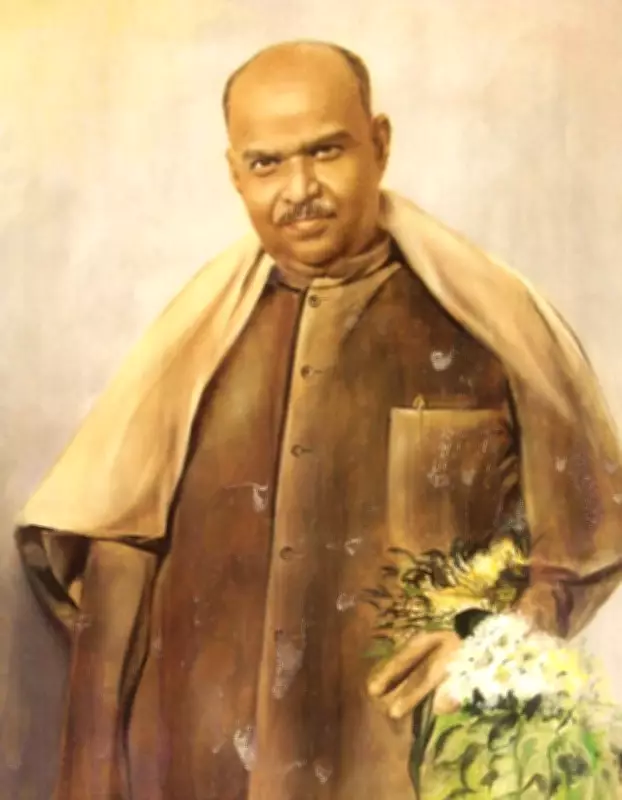
Bharatiya Jana Sangh founder Syama Prasad Mookerjee played a pivotal role in backing independent India's first non-Congress government in the Patiala and East Punjab States Union (PEPSU) in 1952. As the nation marks his 125th birth anniversary, this historical alliance sheds light on early coalition politics in India.
PEPSU, formed by merging eight Sikh princely states with Patiala as its capital, saw the formation of a United Front coalition led by Gian Singh Rarewala. The government included Akali Dal MLAs and other groups, but lacked a clear majority. Mookerjee's intervention was crucial to secure the necessary support.
Historic Meeting and Letter of Support
Former MP Tarlochan Singh, then a student at Mohindra College in Patiala and an active member of the All India Sikh Students Federation, was sent by Rarewala to Delhi with a letter addressed to Sardar Bahadur Ranjit Singh, an MP. Singh, along with MP Sardar Suchet Singh, took Tarlochan Singh to Mookerjee's residence. After a brief discussion, Mookerjee issued a letter directing two Bharatiya Jana Sangh (BJS) MLAs—Rao Kahan Singh (Mohindergarh) and Onkar Singh (Kanina)—to support the Rarewala government.

According to Tarlochan Singh, “After reaching Patiala I handed over the letter to GS Rarewala who immediately conveyed the move to both MLAs. Rao Kahan Singh was elected Speaker and Onkar Singh became a Junior Minister in the Cabinet led by CM Rarewala.” This coalition marked a significant shift from Congress dominance in post-independence India.
Dissolution and Merger of PEPSU
The Rarewala government was dissolved in 1953 after Prime Minister Jawaharlal Nehru imposed President's Rule. Subsequently, in 1956, PEPSU was merged into Punjab. The Bharatiya Jana Sangh, founded in 1951 by Mookerjee, later evolved into the Bharatiya Janata Party in 1980.
Rarewala became the first head of the PEPSU government and led the first elected non-Congress coalition in August 1952. This chapter highlights the early political collaborations that shaped India's federal structure and the role of regional parties in coalition politics.