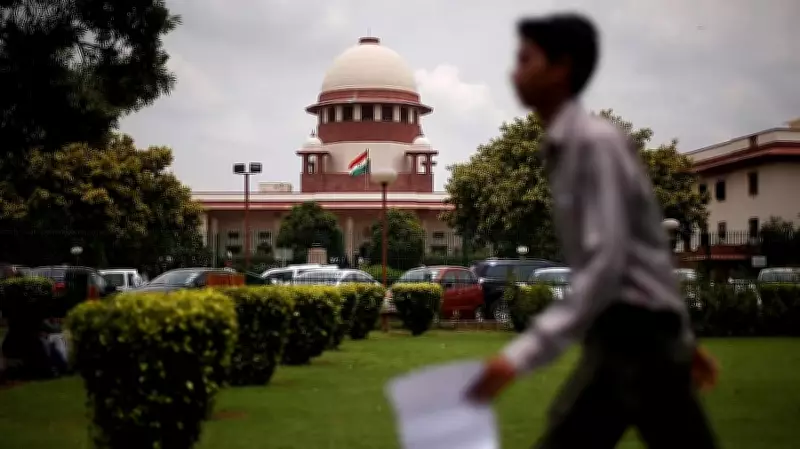
Supreme Court Affirms High Court Ruling in PMK Internal Conflict
The Supreme Court of India has delivered a significant verdict in the ongoing intra-party dispute within the Pattali Makkal Katchi (PMK), firmly upholding the view of the Madras High Court. This ruling clarifies that the contentious issue regarding the party's name, flag, and symbol must be adjudicated through civil court proceedings, marking a pivotal moment in the legal battle between founder S. Ramadoss and his son, Anbumani Ramadoss.
Background of the PMK Symbol Dispute
The conflict stems from S. Ramadoss's efforts to legally restrain his son, Anbumani Ramadoss, from utilizing the PMK's official name, flag, or symbol. This intra-family and intra-party disagreement has escalated over time, reflecting deeper tensions within the Tamil Nadu-based political organization. The dispute highlights the complexities of party leadership and symbol ownership in Indian politics, where such symbols hold substantial electoral and ideological value.
Supreme Court's Decision and Legal Implications
In its ruling, the Supreme Court reinforced the Madras High Court's earlier stance, emphasizing that civil courts are the appropriate forum to resolve this matter. This decision underscores the judiciary's role in mediating internal party conflicts, particularly when they involve property-like rights to party symbols. By directing the case to civil court, the Supreme Court ensures a thorough legal examination of the claims, potentially setting a precedent for similar disputes in other political parties across India.

- The Supreme Court has upheld the Madras High Court's view, dismissing any appeals for immediate intervention.
- The dispute over the PMK's name, flag, and symbol will now be settled in civil court, as per the court's directive.
- This ruling maintains the legal process, allowing both parties to present their cases in a formal judicial setting.
Impact on PMK and Tamil Nadu Politics
The ongoing legal battle between S. Ramadoss and Anbumani Ramadoss could have far-reaching consequences for the PMK's internal cohesion and its political standing in Tamil Nadu. As a key regional party, the PMK's stability is crucial for its electoral strategies and alliances. The civil court's eventual decision may influence party leadership dynamics and symbol usage in future elections, potentially reshaping the political landscape in the state.
This development follows extensive legal proceedings, with the Supreme Court's latest ruling providing clarity on the jurisdictional aspects of the dispute.As the case moves to civil court, stakeholders and political observers will closely monitor the proceedings, which are expected to delve into the nuances of party constitution, symbol ownership, and familial rights within political organizations. The outcome could serve as a benchmark for resolving similar intra-party conflicts in India's vibrant democratic framework.