Supreme Court to Hear Pleas on West Bengal Electoral Rolls Ahead of 2026 Assembly Elections
The Supreme Court of India is set to hear pleas related to the SIR (Special Intensive Revision) of electoral rolls on Monday, marking a critical juncture in the lead-up to the West Bengal Assembly Elections 2026. This judicial intervention comes as the state prepares for a high-stakes electoral process that will determine its political future.
Election Schedule and Key Dates
Assembly elections in West Bengal will be conducted in two distinct phases, ensuring a systematic and secure voting process across the state. The first phase is scheduled for April 23, 2026, followed by the second phase on April 29, 2026. The culmination of this democratic exercise will occur with the vote counting on May 4, 2026, when results will be declared, shaping the next government in West Bengal.
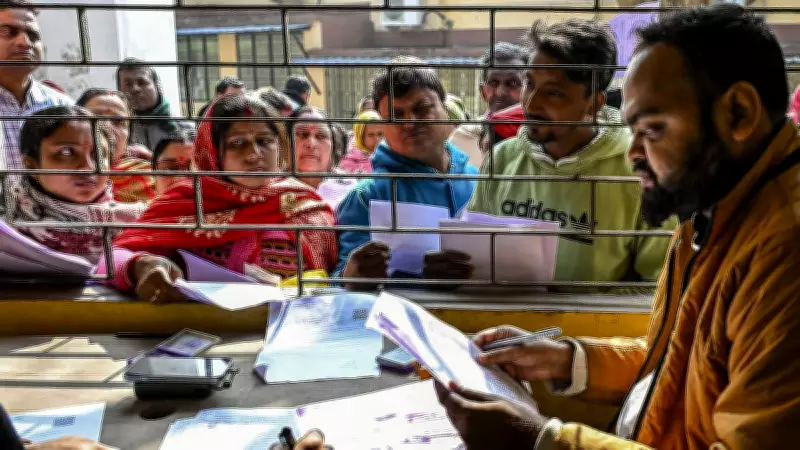
The Supreme Court's hearing on Monday focuses on the SIR of electoral rolls, a process aimed at updating and verifying voter lists to ensure accuracy and inclusivity. This move underscores the importance of maintaining transparent and fair electoral practices, especially in a politically vibrant state like West Bengal, where elections often draw national attention due to their intensity and significance.

Context and Implications
West Bengal has a history of closely contested elections, with the 2026 polls expected to be no exception. The Supreme Court's involvement in electoral roll matters highlights potential concerns or disputes that may have arisen during the revision process. By addressing these pleas, the court aims to uphold the integrity of the electoral system, preventing any irregularities that could affect the outcome.
As the election dates approach, political parties are likely to intensify their campaigns, focusing on key issues such as governance, development, and social welfare. The Supreme Court's decision on Monday could have far-reaching implications, influencing voter confidence and the overall conduct of the elections. Stakeholders, including election officials, political leaders, and citizens, will be closely monitoring the proceedings to ensure a smooth and democratic transition of power.
In summary, the Supreme Court's hearing on electoral roll pleas adds a layer of judicial oversight to the West Bengal Assembly Elections 2026, emphasizing the commitment to free and fair polls in India's democratic framework.