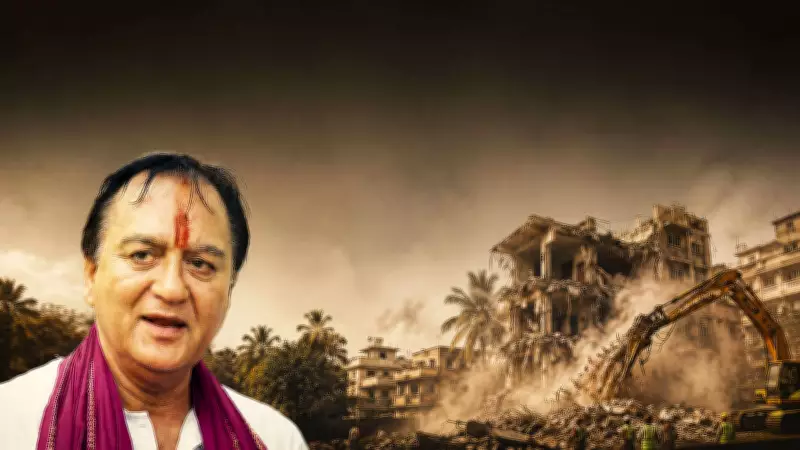
The ongoing demolition drive in Mumbai's Garib Nagar has reignited debates over the complicated political legacy of Sunil Dutt. Revered by slum residents as a protector who fought against evictions, and criticised by others for enabling unchecked encroachments, Dutt's memory looms large over Bandra's current housing crisis.
Sunil Dutt's Role as Bandra's Protector
Sunil Dutt, a former Member of Parliament from Mumbai North West, was known for his close ties with the slum dwellers of Bandra. He actively opposed eviction drives and advocated for the rights of the urban poor. His efforts earned him the title of 'Bandra's Protector' among local residents, who recall his interventions during demolition threats in the 1990s and early 2000s.
Controversies and Criticisms
However, critics argue that Dutt's populist stance led to unchecked encroachments on public land, exacerbating the housing crisis in the area. They claim that his support for informal settlements encouraged illegal constructions, making it difficult for authorities to implement planned development. The current demolition drive in Garib Nagar is seen by some as a necessary step to reclaim land for infrastructure projects, while others view it as a betrayal of Dutt's legacy.

Garib Nagar Demolitions: A Flashpoint
The demolition drive in Garib Nagar, a sprawling slum cluster in Bandra East, has become a flashpoint for these conflicting narratives. Residents, many of whom are original settlers from the 1970s, have resisted eviction, citing Dutt's assurances of rehabilitation. The municipal corporation, however, maintains that the demolitions are aimed at clearing encroachments on a nullah (drain) and are in compliance with court orders.
Political Reactions and Legacy
Political parties have also weighed in on the issue. The Congress party, to which Dutt belonged, has accused the ruling party of targeting the poor, while the Shiv Sena and BJP have defended the action as necessary for urban development. Dutt's son, actor-politician Sanjay Dutt, has remained silent on the matter, but his father's legacy continues to influence local politics.
As the demolitions proceed, the debate over Sunil Dutt's legacy highlights the broader challenges of urban governance in Mumbai: balancing the rights of slum dwellers with the need for planned development. For now, Garib Nagar remains a symbol of both resistance and the unresolved housing crisis that defines the city.