India is undergoing a significant demographic shift as birth rates have fallen and population growth has slowed across the country. However, the very policy that was once aimed at reducing population is now becoming a matter of concern in several states. This divergence in demographic trends poses new challenges for policymakers.
Declining Birth Rates and Slowing Growth
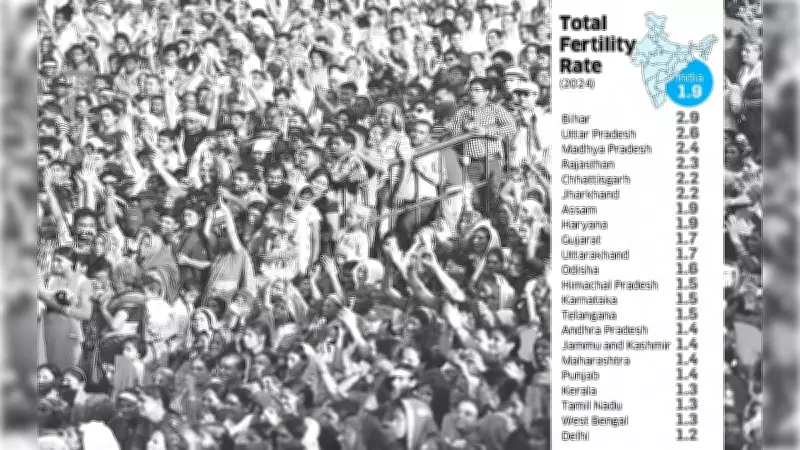
According to recent data, India's total fertility rate has dropped below the replacement level of 2.1 children per woman in many states. This decline is most pronounced in southern and western states such as Kerala, Tamil Nadu, Andhra Pradesh, and Maharashtra. In contrast, northern states like Uttar Pradesh, Bihar, and Rajasthan still have higher fertility rates, though they too are gradually decreasing.
The slowdown in population growth is evident from the latest census projections. India's population, which was growing at over 2% annually in the 1970s, has now slowed to around 1% per year. This trend is expected to continue, with some states already experiencing negative population growth in certain age groups.

Policy Reversal: From Overpopulation to Underpopulation Concerns
For decades, India's family planning policies focused on reducing fertility rates to curb population growth. However, the current demographic scenario has shifted the discourse. States with low fertility rates are now worried about an aging population, shrinking workforce, and potential economic stagnation. For instance, Kerala, which has a fertility rate of 1.8, is already facing a shortage of young workers and an increasing dependency ratio.
In response, some state governments are considering pronatalist policies to encourage childbearing. Tamil Nadu has introduced cash incentives for families with two or more children, while Andhra Pradesh is offering free education and healthcare for children. These measures mark a stark departure from earlier policies that promoted smaller families.
Regional Disparities and Migration
The demographic divergence between states is also driving internal migration. Workers from high-fertility states in the north are moving to low-fertility states in the south and west to fill labor shortages. This migration is reshaping the social and economic fabric of both sending and receiving regions. However, it also raises concerns about cultural tensions and resource allocation.
Furthermore, the uneven demographic transition has implications for political representation. States with slower population growth may lose seats in the Lok Sabha after the next delimitation, while those with higher growth could gain more influence. This has sparked debates about federal balance and the need for a fair redistribution of parliamentary constituencies.
Economic and Social Implications
The demographic reckoning has profound economic consequences. A shrinking working-age population in some states could lead to labor shortages, reduced productivity, and increased pressure on social security systems. Conversely, states with younger populations have the potential for a demographic dividend if they can provide education and employment opportunities.
Socially, the decline in birth rates is accompanied by changes in family structures, gender roles, and caregiving responsibilities. Women are increasingly delaying marriage and childbearing to pursue careers, and the number of single-person households is rising. These trends require adaptive policies in housing, healthcare, and social welfare.
India's demographic journey is entering a new phase. The challenge for policymakers is no longer about curbing population growth but managing the complexities of a diverse and aging society. As states diverge in their demographic profiles, a one-size-fits-all approach will no longer work. Tailored strategies that address local realities are essential to ensure sustainable development and social harmony.