The Supreme Court of India has decided to examine a significant issue involving the Enforcement Directorate. The probe agency recently conducted raids on the Indian Political Action Committee, commonly known as I-PAC. During these operations, the ED faced allegations of obstruction.
Court's Stance on the Matter
The Supreme Court bench described this situation as a very serious matter. They emphasized the need for a thorough examination of the claims made by the Enforcement Directorate. The court's response came after hearing arguments from both sides in the case.
Arguments Presented by Solicitor General
Solicitor General Tushar Mehta appeared before the bench to represent the Enforcement Directorate. He presented the agency's perspective on the alleged obstruction during the I-PAC raids. Mehta argued that this was not an isolated incident.

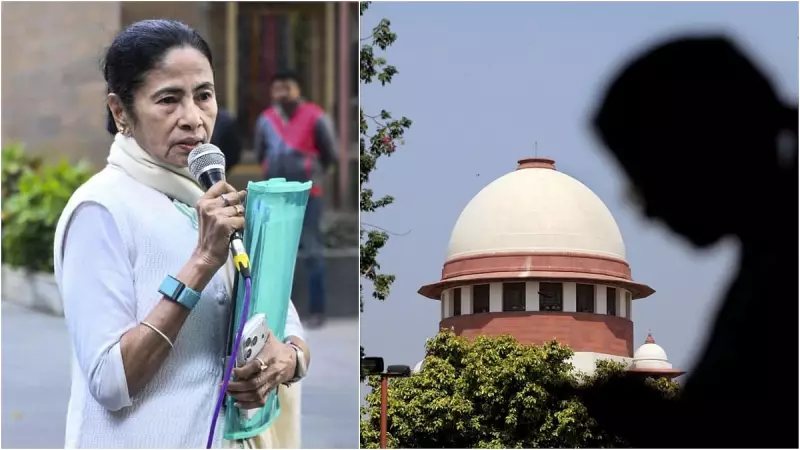
According to the Solicitor General, similar patterns of interference have occurred in the past. He specifically mentioned instances involving West Bengal Chief Minister Mamata Banerjee. Mehta claimed that whenever statutory authorities exercised their legal powers, Banerjee would intervene.
Background of the Case
The Enforcement Directorate conducted raids on I-PAC offices as part of an ongoing investigation. I-PAC is a political consultancy firm that has worked with various political parties across India. The ED's actions were based on specific legal provisions and investigative requirements.
During these raids, ED officials reportedly faced resistance and obstruction. This led to the agency filing formal complaints about the interference they encountered. The matter eventually reached the Supreme Court for judicial review.
Legal Implications and Next Steps
The Supreme Court's decision to examine this issue carries significant legal weight. It highlights the importance of allowing statutory authorities to perform their duties without hindrance. The court's examination will likely focus on several key aspects.
First, the court will assess the validity of the ED's obstruction claims. Second, they will examine whether there was any improper interference in the agency's operations. Third, the bench will consider the broader implications for law enforcement agencies in India.
The court has not yet set a specific timeline for completing this examination. However, legal experts expect the matter to receive priority attention given its serious nature. The outcome could establish important precedents for future cases involving government agencies and political entities.
Political Context and Reactions
This development occurs within a charged political environment. I-PAC has been associated with several major political campaigns in recent years. The firm's connections to various political figures have drawn scrutiny from multiple agencies.
Political observers note that the mention of Mamata Banerjee adds another layer to this case. The West Bengal Chief Minister has previously been involved in disputes with central investigative agencies. Her party has often criticized what they describe as politically motivated investigations.
The Supreme Court's intervention represents a crucial moment in this ongoing legal and political saga. All parties involved will be watching closely as the examination proceeds. The court's eventual findings could have far-reaching consequences for India's political and legal landscape.