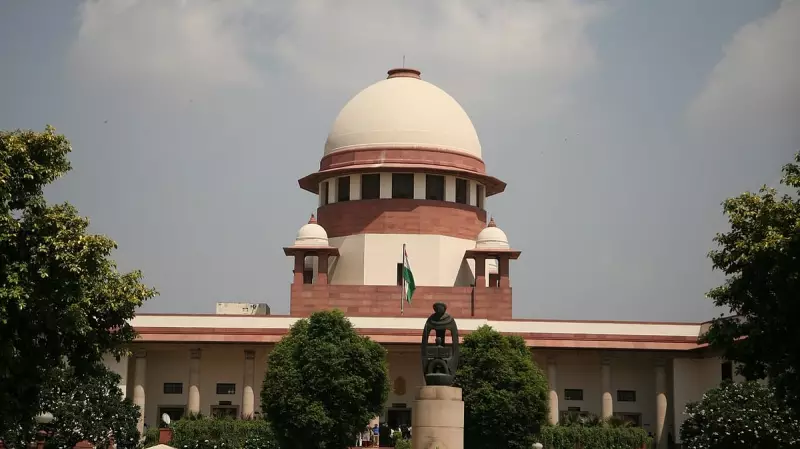
Supreme Court Sets Deadline for Telangana Speaker in BRS MLAs Case
The Supreme Court of India has taken a firm stance in the ongoing disqualification case involving Bharat Rashtra Samithi (BRS) MLAs. On January 16, 2026, the court directed the Telangana Legislative Assembly Speaker to provide a detailed status report within two weeks. This move comes after repeated delays in addressing the disqualification petitions.
Legal Arguments Highlight Speaker's Non-Compliance
Senior advocate Dama Seshadri Naidu, representing the BRS MLAs, argued strongly in court. He emphasized that the Speaker cannot be granted additional time repeatedly. Naidu pointed out that the Speaker has failed to comply with previous court directions, causing unnecessary delays in the legal process.
The Supreme Court's intervention underscores the urgency of resolving this political matter. The court aims to ensure that parliamentary procedures are followed without undue postponement.

Background of the Disqualification Issue
The disqualification of BRS MLAs has been a contentious issue in Telangana politics. It involves allegations related to defection and anti-party activities. The Speaker's role in adjudicating such cases is crucial under the Tenth Schedule of the Indian Constitution.
Previous court orders had instructed the Speaker to expedite the proceedings. However, the lack of progress prompted the BRS MLAs to seek judicial recourse again.
Implications for Telangana's Political Landscape
This development could have significant repercussions for the state's assembly dynamics. The outcome may affect the strength and stability of political parties in Telangana. Observers are closely watching how the Speaker responds to the Supreme Court's latest directive.
The two-week deadline sets a clear timeline for accountability. It pressures the Speaker to act swiftly and transparently in this high-profile case.
Next Steps in the Legal Proceedings
Once the status report is submitted, the Supreme Court will review it for compliance. Further hearings are likely to follow based on the findings. The court has shown its willingness to intervene to uphold constitutional mandates.
This case highlights the judiciary's role in checking legislative delays. It reinforces the principle that elected officials must adhere to legal timelines in discharge of their duties.