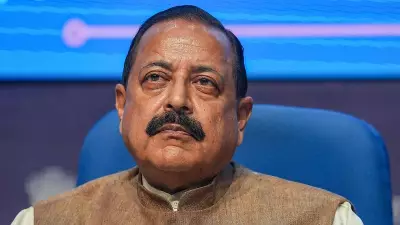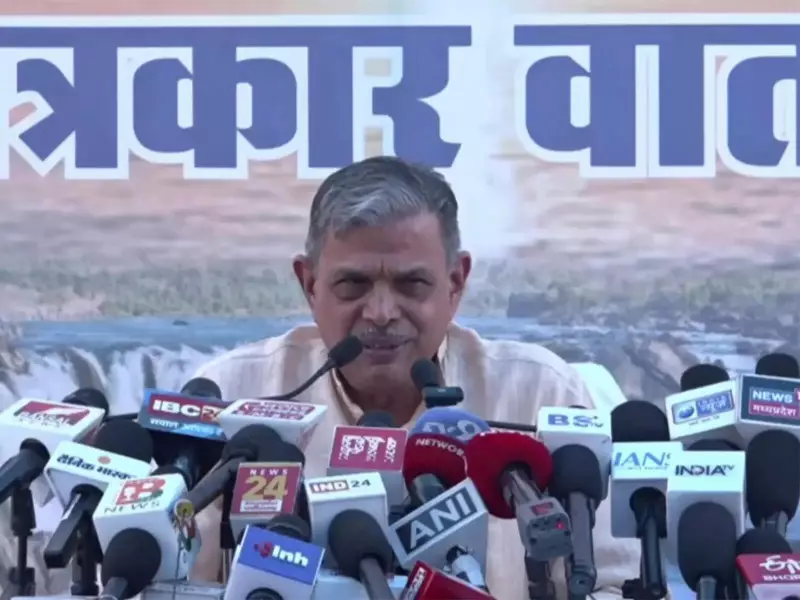
In a sharp rebuttal to Congress President Mallikarjun Kharge's recent demands for a ban on the Rashtriya Swayamsevak Sangh (RSS), senior RSS leader Dattatreya Hosabale has declared that the organization enjoys widespread public acceptance across India.
The Political Confrontation Intensifies
The political atmosphere heated up significantly when Congress chief Mallikarjun Kharge renewed calls for prohibiting the RSS, citing concerns about the organization's ideology and activities. This isn't the first time such demands have been made, but the timing and context have added fresh fuel to the ongoing political tensions.
Hosabale's Confident Counter
Dattatreya Hosabale, the Sarkaryavah (General Secretary) of RSS, didn't mince words in his response. "People have accepted RSS," he stated emphatically, positioning this public acceptance as the ultimate validation of the organization's work and ideology.

His statement serves as both a defense and an assertion of the Sangh's legitimacy in the Indian political and social landscape. The response indicates the RSS's confidence in its ground-level support and organizational strength.
Historical Context of the Debate
The demand to ban the RSS has been a recurring theme in Indian politics since independence. The Congress party has historically been the primary political opponent of the Sangh Parivar, making this latest exchange part of a long-standing ideological conflict.
What makes the current confrontation particularly significant is the timing and the direct involvement of top leadership from both sides, signaling that this debate remains central to Indian political discourse.
Public Perception and Political Reality
Hosabale's assertion about public acceptance comes at a time when the RSS and its affiliated organizations have significantly expanded their influence across various sectors of Indian society. From educational institutions to social service initiatives, the Sangh's presence has grown remarkably over the past decade.
The response also reflects the changing power dynamics in Indian politics, where the RSS-backed BJP has been dominant at the center, while the Congress has been struggling to regain its political footing.
What This Means for Indian Politics
This exchange between two of India's most influential political organizations highlights several key aspects of contemporary Indian politics:
- Ideological polarization continues to define political debates
- The RSS-Congress rivalry remains a fundamental aspect of political discourse
- Public acceptance has become a crucial metric in political legitimacy
- The debate over organizational ideologies continues to shape national conversations
As both organizations prepare for upcoming political battles, this exchange sets the tone for what promises to be a fiercely contested ideological war.