Delhi Court Issues Summons to Robert Vadra in Shikohpur Land Deal Money Laundering Case
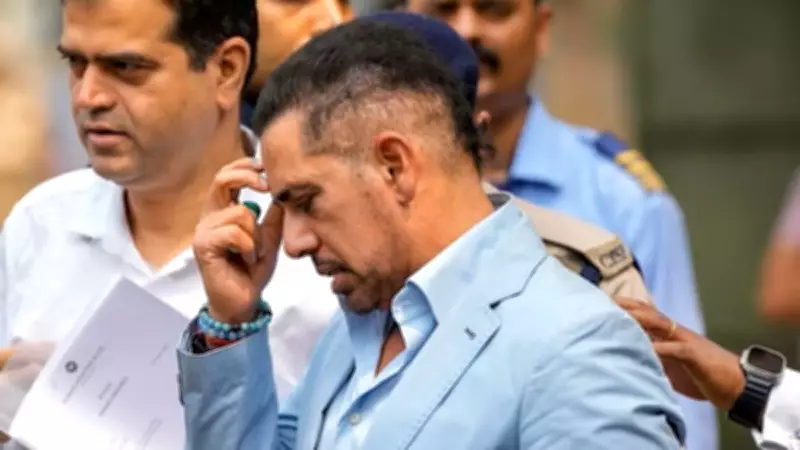
A Delhi court has formally summoned Robert Vadra, the brother-in-law of Congress leader Rahul Gandhi, in connection with the Shikohpur land deal money laundering case. This development marks a significant escalation in the legal proceedings surrounding the controversial transaction.
Details of the Court Order
The summons were issued by the court after reviewing evidence presented by the Enforcement Directorate (ED), which is investigating allegations of money laundering linked to the land deal in Shikohpur, Haryana. The court has directed Vadra to appear before it on a specified date to respond to the charges.
The case revolves around a land purchase in Shikohpur that allegedly involved illicit financial transactions and violations of regulatory norms. Authorities claim that the deal was structured to conceal the origins of funds, constituting money laundering under Indian law.

Political Reactions and Fallout
Following the court's decision, reactions have poured in from various political quarters. The ruling Bharatiya Janata Party (BJP) has welcomed the move, emphasizing its commitment to combating corruption and ensuring accountability.
"This summons underscores the importance of a thorough investigation into financial irregularities," stated a BJP spokesperson. "No one is above the law, and we support the judicial process in uncovering the truth."
In contrast, the Congress party has criticized the summons as politically motivated. Party officials allege that the timing of the legal action is intended to divert attention from other issues and target opposition figures unfairly.
"This is a clear case of vendetta politics," asserted a Congress representative. "We have full faith in the judiciary, but we question the motives behind this sudden escalation."
Background of the Shikohpur Land Deal
The Shikohpur land deal has been under scrutiny for several years, with investigations focusing on:
- Alleged irregularities in land acquisition and transfer processes.
- Suspicious financial flows and potential money laundering activities.
- Violations of land use and regulatory policies in Haryana.
Previous probes by agencies like the ED have suggested that the deal may have involved shell companies and benami transactions to mask the true nature of the funds. Vadra's involvement has been a point of contention, with investigators claiming he played a key role in facilitating the transaction.
Next Steps in the Legal Process
With the summons issued, Vadra is expected to comply with the court's directive and present his defense. Legal experts note that this could lead to further hearings, potential charges, and a prolonged trial if the case proceeds.
The Enforcement Directorate is likely to continue its investigation, gathering additional evidence and possibly expanding the scope to include other individuals or entities linked to the deal. The outcome of this case could have broader implications for political and financial accountability in India.
As the situation unfolds, stakeholders are closely monitoring developments, with the case poised to remain a focal point in national discourse on corruption and governance.