Kiren Rijiju Proposes to Revoke Suspension of Eight Opposition MPs
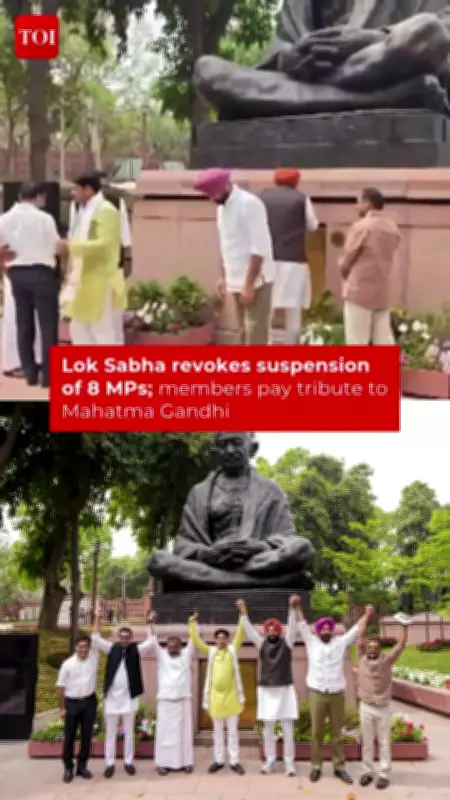
In a significant development in Indian parliamentary affairs, Union Minister Kiren Rijiju has moved a formal proposal to revoke the suspension of eight opposition Members of Parliament (MPs). This move comes amid ongoing political tensions and could signal a potential thaw in the often-contentious atmosphere of the legislature.
Details of the Proposal
The proposal, initiated by Rijiju, who serves as the Minister of Earth Sciences and holds additional responsibilities, aims to restore the parliamentary privileges of the eight suspended MPs. These suspensions were previously imposed due to alleged misconduct or disruptions during parliamentary sessions, a common occurrence in India's vibrant but sometimes chaotic political landscape.
The exact identities of the eight MPs have not been disclosed in the initial reports, but they are understood to belong to various opposition parties. The suspension of MPs is a disciplinary measure used by the presiding officers of Parliament to maintain order, and revoking such suspensions is a rare step that often requires consensus or a formal motion.

Political Implications and Context
This proposal by Kiren Rijiju could have far-reaching implications for parliamentary functioning and inter-party relations. It may be seen as an attempt to ease tensions and foster a more collaborative environment, especially as key legislative bills and debates are pending. The opposition has frequently accused the ruling party of using suspensions to stifle dissent, making this move a potential olive branch.
In recent years, parliamentary sessions in India have witnessed numerous disruptions and suspensions, leading to criticisms about the erosion of democratic norms. Rijiju's proposal, if accepted, could set a precedent for more lenient handling of such incidents, promoting dialogue over disciplinary action.
Next Steps and Reactions
The proposal will now be subject to parliamentary procedures, including possible discussions and voting. Key stakeholders, including:
- Opposition leaders, who may welcome the move as a gesture of goodwill.
- Ruling party members, who might view it as a strategic compromise.
- Parliamentary officials, responsible for implementing the decision.
Reactions from political circles are awaited, with many observers noting that this could influence upcoming sessions. The move aligns with broader efforts to ensure that Parliament functions smoothly, addressing public concerns about legislative productivity.
As the situation unfolds, it highlights the dynamic nature of Indian politics, where procedural moves like this can reshape alliances and debates. The outcome of Rijiju's proposal will be closely watched for its impact on governance and democratic processes in the country.