Republic Day 2026: Decoding the Symbolism of Flag Hoisting and Unfurling
As India celebrates its 77th Republic Day on January 26, 2026, a fascinating distinction in flag ceremonies captures national attention. While both Independence Day on August 15 and Republic Day on January 26 involve the national tricolour, the rituals differ significantly in terminology and meaning. Many citizens use "hoisting" and "unfurling" interchangeably, but these actions carry profound historical symbolism that reflects India's journey from colonial rule to constitutional sovereignty.
The Technical Difference Between Hoisting and Unfurling
Flag hoisting refers to the process of pulling a folded flag up from the bottom of a mast to the top before it is opened in a single stretch. This ceremonial act, performed by the Prime Minister at Red Fort every August 15, symbolizes India's hard-fought freedom and independence from British rule in 1947. The flag starts at the bottom, representing the nation's rise from subjugation to liberty.
In contrast, flag unfurling involves opening a flag that is already tied at the top of the mast. On Republic Day, the President of India performs this ritual at Kartavya Path in New Delhi. Since the flag is already positioned at the peak, unfurling signifies that India had already attained independence by 1950 and was progressing as an established republic under its own Constitution.

Historical Context and Symbolic Meanings
The choice of these distinct ceremonies is deeply rooted in India's political evolution. Independence Day commemorates the birth of a free nation after centuries of colonial oppression, making hoisting appropriate as it visually represents elevation from bondage. Republic Day, however, honors the adoption of the Constitution on January 26, 1950, which formally established India as a sovereign, democratic republic. Unfurling at this event reflects the nation's consolidated sovereignty and constitutional governance.
This ritual underscores that by 1950, India had moved beyond colonial rule and was firmly grounded in its own legal and political framework. The ceremonies are accompanied by guards of honour and the National Anthem, reinforcing their solemnity and national pride.
Republic Day 2026 Celebrations and Significance
India observes its 77th Republic Day on Monday, January 26, 2026, with grand celebrations at Kartavya Path in New Delhi. President Droupadi Murmu presides over the event, which commences at 10:30 AM and lasts approximately 90 minutes. The ceremony features:
- A tribute to the 150-year legacy of the national song Vande Mataram
- Showcases of India's developmental progress and military strength
- Vibrant cultural diversity performances
- Active participation from citizens across all walks of life
Prime Minister Narendra Modi extended Republic Day greetings, urging citizens to renew their commitment to Viksit Bharat (Developed India). In a social media post, he emphasized that this national festival symbolizes India's pride and should infuse new energy toward national development.
The President of the European Council, Antonio Costa, and the President of the European Commission, Ursula von der Leyen, attend as Chief Guests, highlighting international recognition of India's democratic values.
Why This Distinction Matters Today
Understanding the difference between hoisting and unfurling enriches appreciation of India's national holidays. It reminds citizens that Independence Day marks freedom from external control, while Republic Day celebrates the establishment of constitutional self-governance based on justice, liberty, equality, and fraternity.
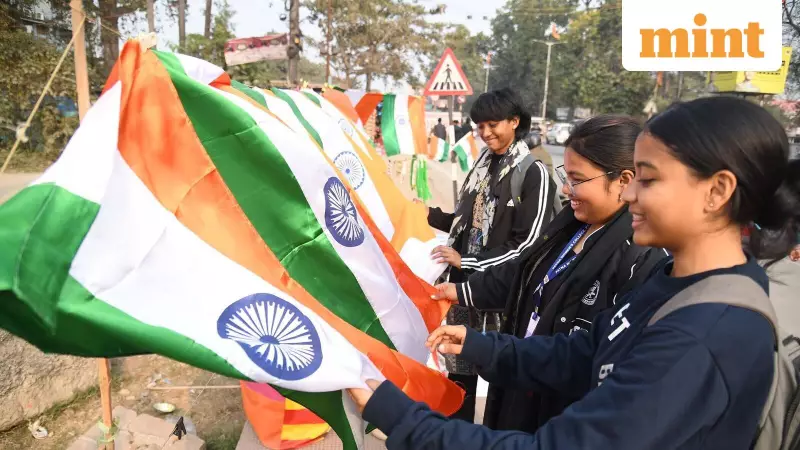
As seen in Patna, Bihar, where girls purchased tricolour flags ahead of Republic Day, these symbols continue to inspire patriotism. The meticulous preservation of these rituals ensures that future generations comprehend the nuanced history behind India's sovereignty and democratic identity.