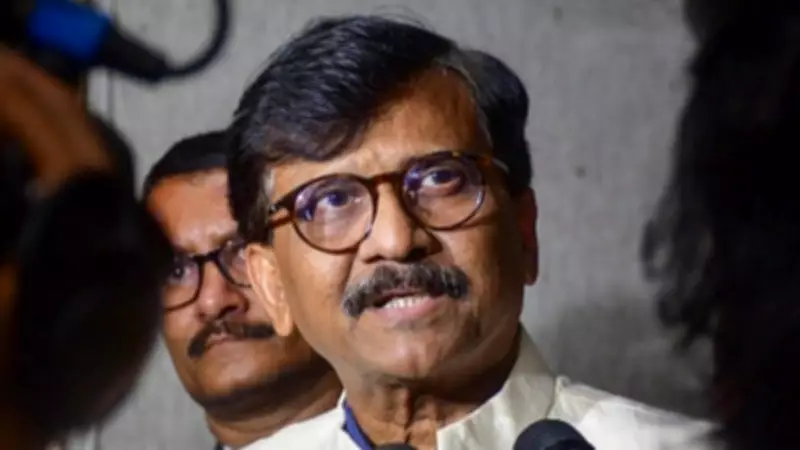
Shiv Sena leader Sanjay Raut has made a pointed statement regarding the BJP's public tributes to the late Ajit Pawar, suggesting that the party's true homage would involve withdrawing the corruption charges it had previously leveled against him.
BJP's Newspaper Tributes to Ajit Pawar
On Thursday, the Bharatiya Janata Party placed front-page advertisements in several leading newspapers across India, paying tribute to Ajit Pawar, who tragically died in an air crash the previous day. These advertisements were prominently displayed, featuring messages of respect and condolence from the party.
Sanjay Raut's Critical Response
In response to these tributes, Sanjay Raut, a prominent Shiv Sena politician, took to social media to express his skepticism. He argued that the BJP's advertisements, while publicly honoring Pawar, ring hollow given the party's past actions against him.

Raut specifically referenced the corruption charges that the BJP, under the leadership of Prime Minister Narendra Modi and Maharashtra Deputy Chief Minister Devendra Fadnavis, had filed against Ajit Pawar. These charges allegedly involved a significant sum, with Raut mentioning an amount of 70,000 crores in his post.
The Call for Withdrawal of Charges
Sanjay Raut emphasized that the most meaningful tribute the BJP could offer to Ajit Pawar would be to formally withdraw these graft allegations. He implied that without such a step, the newspaper advertisements are merely a superficial gesture, lacking in genuine respect or reconciliation.
This statement highlights the ongoing political tensions in Maharashtra and at the national level, where accusations and counter-accusations between parties often shape public discourse. Raut's comments underscore how past conflicts can influence present-day political narratives, even in moments of mourning.
Political Implications and Reactions
The incident raises questions about the sincerity of political gestures in India's competitive landscape. While tributes are common following the death of a significant figure, Raut's critique suggests that actions speak louder than words, especially when historical grievances are involved.
As of now, there has been no official response from the BJP or its leaders regarding Raut's demand to withdraw the charges. The situation continues to develop, with observers watching for any further statements or actions from the involved parties.
This episode serves as a reminder of the complex interplay between politics, personal legacies, and public perception in India, where even tributes can become fodder for political debate and scrutiny.